Category- Allopathy
About Diclofenac Pain Relief Spray
This pain relief spray contains ingredients like diclofenac dethylamine 1.16%, linseed oil 3%, methylsalicylate 10%, menthol 5% is a topical pain-relieving medicine. Diclofenac Diethylamine, a non-steroidal anti-inflammatory drug (NSAID) that helps reduce pain and inflammation, Linseed Oil which helps soothe sore muscles and supports healing, Methyl Salicylate which provides pain relief by creating a warming effect, and Menthol which produces a cooling sensation to relieve discomfort.
This spray is commonly used to treat muscle pain, back pain, neck pain, joint pain, sprains, strains, sports injuries, and arthritis-related pain. Common side effects include mild skin irritation, redness, itching, burning, or dryness at the application site. Avoid applying it to broken or damaged skin and use it only as directed by your doctor or according to the product instructions.
Medicine Highlights
| Uses | 1. To treat muscle and joint pain 2. To treat back pain and neck pain 3. To treat sprains and strains 4. To treat sports injuries 5. To relieve arthritis pain 6. To reduce swelling and inflammation |
| Common Side Effects | 1. Mild burning sensation 2. Skin redness 3. Itching 4. Dry skin 5. Skin irritation 6. Rash |
| Additional Information | 1. Take it exactly as prescribed by your doctor. 2. Avoid smoking, as it can reduce the effect of medicine. 3. Inform your doctor if you have heart, liver, or kidney problems. |
| Storage | 1. The medicine should be stored at room temperature. 2. Keep away from sunlight and moisture. 3. Keep away from the reach of children. |
| How to Take This Medicine | Spray the medicine directly onto the affected area from the recommended distance and allow it to dry naturally. Do not rub vigorously unless instructed by your doctor. |
Diclofenac Pain Relief Spray Uses
Diclofenac Pain Relief Spray is used to treat the following conditions:
- Muscle pain
- Joint pain
- Back pain and Neck pain
- Sprains and strains
- Sports injuries
- Arthritis pain
- Swelling caused by minor injuries
Diclofenac Pain Relief Spray side effects
More Common
- Mild burning or stinging
- Skin redness
- Itching
- Dryness
- Mild skin irritation
Less Common
- Skin rash
- Swelling at the application site
- Blistering
- Severe allergic skin reaction
- Difficulty breathing (rare)
- Swelling of the face, lips, or throat (rare)
How Diclofenac Pain Relief Spray works
this medicine works by combining four ingredients to relieve pain and reduce inflammation. Diclofenac diethylamine blocks the chemicals that cause pain and swelling; linseed oil helps soothe sore muscles and joints; methyl salicylate provides a warming effect that relieves pain; and menthol creates a cooling sensation that helps reduce discomfort.
Safety Measures and Warning
Allergy or Hypersensitivity
If you are allergic to paracetamol. Seek immediate medical attention if you develop a rash, itching, swelling of the face, lips, tongue, or throat, or difficulty breathing.
Damaged Skin
Do not apply the spray to broken, infected, or irritated skin.
Asthma
People with asthma triggered by NSAIDs should consult their doctor before using this spray.
Pregnancy
Consult your doctor before using this medicine during pregnancy, especially during the last trimester.
Children
Using in children only if recommended by a healthcare professional.
Eye Contact
Avoid contact with the eyes, mouth, nose, and other sensitive areas. If accidental contact occurs, rinse thoroughly with water.
Diclofenac Pain Relief Spray Interaction with Food Product
Since this medicine is applied to the skin, it does not have any significant interaction with food. Alcohol does not directly affect the spray, but excessive alcohol consumption may worsen inflammation and delay healing.
Diclofenac Pain Relief Spray Interaction with Other Medicines
Avoid taking this pain relief spray with the following medicines, as it may increase or decrease the desired effect, or in worse cases, it could be fatal:
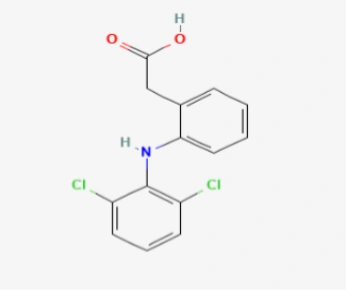
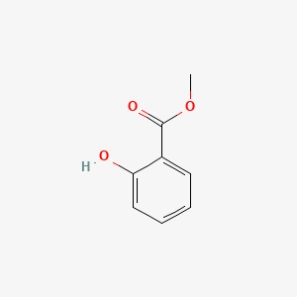
Diclofenac Pain Relief Spray Chemical Structure
IUPAC (International Union of Pure and Applied Chemistry)/ Chemical name
Diclofenac: 2-[2-(2,6-dichloroanilino) phenyl]acetic acid
Methyl salicylate: methyl 2-hydroxybenzoate
Menthol: 5-methyl-2-propan-2-ylcyclohexan-1-ol

Intake routine/cycle
Daily dose
Take Diclofenac Pain Relief Spray exactly as your doctor recommends. The dose may change based on your condition and how well you respond. Do not take more than prescribed without consulting your doctor.
Missed Dose
If you forget to take Diclofenac Pain Relief Spray, take the medication soon as you remember. If it’s nearly time for your next dose, skip the missed one and continue with your regular schedule. Always consult the doctor before making any changes to your dosage.
Overdose
It is not recommended to take this combination more than the prescribed dose by doctor, as it may cause severe overdose symptoms like nausea, vomiting, headache, tremors, restlessness, and rapid heartbeat.
Storage
- Store the medicine at room temperature.
- Keep away from sunlight and moisture.
- Keep out of reach of children
Directions for use
- Take this medicine exactly as prescribed by your doctor, at the same time each day.
- Do not stop taking this medicine without your doctor’s approval, even if you feel better.
- If you forget to take this medicine, take it as soon as you remember. If it’s almost time for your next dose, skip the missed dose.
FAQ’s
What are the uses of Diclofenac Pain Relief Spray?
Diclofenac Pain Relief Spray is used to relieve muscle pain, joint pain, back pain, neck pain, sprains, strains, sports injuries, and arthritis-related pain. It also helps reduce inflammation and swelling.
How does Diclofenac Pain Relief Spray work?
Diclofenac Pain Relief Spray works by reducing pain, inflammation, and swelling. Diclofenac diethylamine blocks pain-causing chemicals; methyl salicylate provides a warming effect. Menthol gives a cooling sensation, and linseed oil helps soothe sore muscles and joints.
How do I use Diclofenac Pain Relief Spray?
Spray the medicine directly onto the affected area from the recommended distance. Allow it to dry naturally and avoid applying it to broken or irritated skin. Wash your hands after use unless you are treating your hands.
Can I use Diclofenac Pain Relief Spray for back pain and muscle pain?
Yes. Diclofenac Pain Relief Spray is commonly used to relieve back pain, muscle pain, neck pain, joint pain, sprains, strains, and sports injuries.
What are the common side effects of Diclofenac Pain Relief Spray?
Common side effects include mild burning, stinging, redness, itching, dryness, or irritation at the application site. If you develop severe skin irritation, swelling, rash, or difficulty breathing, stop using the spray and seek medical attention immediately.
What are the best diclofenac spray brands available in India?
Several trusted diclofenac spray brands are available in India to help relieve muscle pain, joint pain, sprains, and strains. At SayaCare, you can explore a wide range of quality-assured diclofenac sprays from trusted brands, compare options, and choose the one that best suits your needs.
Are there any diclofenac sprays specifically for sports injuries?
Yes. Diclofenac sprays are commonly used to help relieve pain and inflammation caused by sports injuries such as sprains, strains, and muscle soreness. At SayaCare, you can find quality-assured diclofenac sprays from trusted brands, making it easy to choose the right product with Pan-India doorstep delivery.
Reference
- PubChem. Methyl Salicylate [Internet]. pubchem.ncbi.nlm.nih.gov. [cited 2026 July 7]. Available from
- PubChem. Menthol [Internet]. pubchem.ncbi.nlm.nih.gov. 2023 [cited 2026 July 7]. Available from
- Diclofenac (Oral Route) Description and Brand Names – Mayo Clinic [Internet]. www.mayoclinic.org. 2024 [cited 2026 July 7]. Available from
- Alfaro RA, Modi PV. Diclofenac [Internet]. PubMed. Treasure Island (FL): StatPearls Publishing; 2023 [cited 2026 July 7]. Available from
Authors


Pranathi is a final year Pharm D student at Chalapathi Institute of Pharmaceutical Sciences. She loves learning and applying her knowledge in pharmacy and has a passion for writing, which allows her to express ideas clearly and creatively. She enjoys combining her technical skills with her love for writing and communication to make a meaningful impact. Currently she is working on a research paper about “Consanguineous marriages and its impact on children’s health” which will be published by the end of 2025.