Category- Allopathy
About Lactitol and Ispaghula Powder
Lactitol and Ispaghula Powder is a combination medicine used to treat constipation. It helps soften the stool, increases its bulk, and promotes regular bowel movements. Lactitol works by drawing water into the bowel, making stools softer and easier to pass, while Ispaghula (Psyllium Husk) is a natural fiber that adds bulk to the stool and supports healthy bowel function.
Common side effects of Lactitol and Ispaghula Powder include bloating, gas, stomach discomfort, abdominal cramps, diarrhea, and nausea. These side effects are usually mild and improve as your body adjusts to the medicine.
Taking more than the recommended dose may lead to severe diarrhea, dehydration, or electrolyte imbalance. Always take this medicine exactly as prescribed by your doctor.
Medicine Highlights
| Uses | 1. To treat constipation 2. To promote regular bowel movements 3. To support healthy bowel function |
| Common Side Effects | 1. Bloating 2. Flatulence (gas) 3. Abdominal discomfort 4. Stomach cramps 5. Diarrhea 6. Nausea |
| Additional Information | To keep you safe and healthy, use this medicine only with your doctor’s guidance. |
| Storage | 1. The medicine should be stored at room temperature. 2. Keep away from sunlight and moisture. 3. Keep away from the reach of children |
| How to Take This Medicine | Mix the powder with water as prescribed by your doctor. |
Lactitol and Ispaghula Powder Uses
Lactitol and Ispaghula Powder is used for the following indications:
- Constipation
- Irregular bowel movements
- Conditions requiring easy bowel evacuation
Lactitol and Ispaghula Powder side effects
More Common
- Bloating
- Flatulence
- Abdominal discomfort
- Stomach cramps
- Diarrhea
- Nausea
Less Common
- Vomiting
- Allergic reactions (rash, itching, swelling)
- Dehydration (with excessive diarrhea)
How Lactitol and Ispaghula Powder work
Lactitol is an osmotic laxative that draws water into the intestines, making the stool softer and easier to pass. Ispaghula is a natural bulk-forming fiber that absorbs water, increases stool volume, and stimulates normal bowel movements. Together, they relieve constipation and help maintain healthy bowel function.
Safety Measures and Warning
Allergy/Hypersentivity
Avoid using this medicine if you are allergic to Lactitol, Ispaghula. Seek immediate medical attention if you develop swelling, rash, itching, or difficulty breathing.
Intestinal Disorders
Do not use this medicine if you have intestinal blockage, severe abdominal pain of unknown cause, or bowel obstruction unless advised by your doctor.
Kidney Disease
If you have severe kidney disease, consult your doctor before taking Lactitol and Ispaghula Powder. Kidney problems may increase the risk of dehydration or electrolyte imbalance, especially if diarrhea occurs. Your doctor may adjust the dose or monitor your condition during treatment.
Pregnancy
Consult your doctor before using this medicine if you are pregnant or planning to become pregnant. It is generally considered safe when used as directed, but it should only be taken if your doctor decides that the benefits outweigh any potential risks.
Breastfeeding
Generally considered safe during breastfeeding but use only after consulting your doctor.
Lactitol and Ispaghula Powder Interaction with Food Product
Drink plenty of fluids while taking this medicine to help it work effectively. No major food interactions are known. A fiber-rich diet may further improve bowel regularity.
Lactitol and Ispaghula Powder Interaction with Other Medicines
Avoid taking Lactitol and Ispaghula Powder with the following medicines, as it may increase or decrease the desired effect, or in worse cases, it could be fatal:
Lactitol and Ispaghula Powder Chemical Structure
IUPAC (International Union of Pure and Applied Chemistry)/ Chemical name
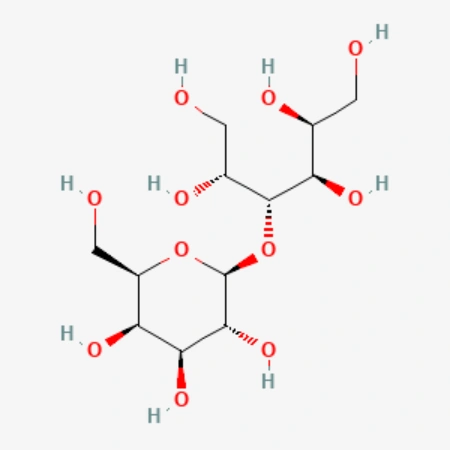
Lactitol: (2S,3R,4R,5R)-4-[(2S,3R,4S,5R,6R)-3,4,5-trihydroxy-6-(hydroxymethyl) oxan-2-yl] oxyhexane-1,2,3,5,6-pentol
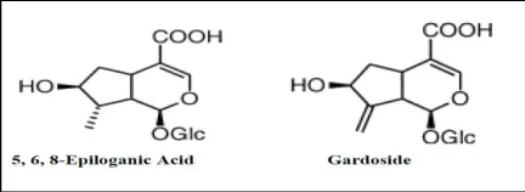
Ispaghula: Plantago ovata Forsk.
Intake routine/cycle
Daily dose
Take Lactitol and Ispaghula Powder exactly as your doctor recommends. The dose may change based on your condition and how well you respond. Do not take more than prescribed without consulting your doctor.
Missed Dose
If you forget to take your medicine, take the medication as soon as you remember. If it’s nearly time for your next dose, skip the missed one and continue with your regular schedule. Always consult the doctor before making any changes to your dosage.
Overdose
Taking more than the recommended dose may cause severe diarrhea, dehydration, abdominal pain, and electrolyte imbalance. Seek medical attention immediately if overdose is suspected.
Storage
- Store the medicine at room temperature.
- Keep away from sunlight and moisture.
- Keep out of reach of children
Directions for use
- Mix the prescribed amount of powder in a glass of water or another liquid.
- Stir well and drink immediately.
- Drink an additional glass of water after taking the medicine.
- Take it at the same time each day if advised by your doctor.
- Follow your doctor’s instructions regarding dosage and duration.
FAQ’s
What are the side effects of ispaghula?
Ispaghula is generally safe, but some people may experience mild side effects like bloating, gas, or stomach discomfort. In rare cases, it may cause nausea or allergic reactions like rash and itching, especially if taken without enough water.
What are the uses of Ispaghula?
Ispaghula powder is used to treat constipation, improve bowel movement, and relieve conditions like piles and irritable bowel syndrome. It helps soften stool and makes it easier to pass, improving overall digestive health.
What are the benefits of Ispaghula?
Ispaghula helps in relieving constipation, supports regular bowel movements, improves gut health, and reduces strain during passing stools. It may also help in controlling cholesterol levels and maintaining overall digestive balance.
How does Lactitol work?
Lactitol is an osmotic laxative. It increases the amount of water in the bowel, which softens hard stools and helps them pass more easily.
How long does Lactitol take to work?
Lactitol usually starts working within 24 to 48 hours. In some people, it may take up to 2–3 days to produce its full effect.
Reference
- Kumar A, Kumar N, Vij JC, Sarin SK, Anand BS. Optimum dosage of ispaghula husk in patients with irritable bowel syndrome: correlation of symptom relief with whole gut transit time and stool weight. Gut. 1987 Feb 1;28(2):150–5.
- Booth S. How to Use Psyllium Husk [Internet]. WebMD. 2025 [cited 2026 Apr 14]. Available from
- Practo. Isabgol use – Can I take isabgol daily? Is it ok to take isabgol | Practo Consult [Internet]. Practo.com. 2024 [cited 2026 Apr 14]. Available from
- PubChem. Lactitol [Internet]. Nih.gov. PubChem; 2026 [cited 2026 Jul 1]. Available from
- Lactitol (oral route) – Side effects & dosage [Internet]. Mayo Clinic. 2026 [cited 2026 Jul 1]. Available from
- Lactitol [Internet]. go.drugbank.com. Available from
Authors


Pranathi is a final year Pharm D student at Chalapathi Institute of Pharmaceutical Sciences. She loves learning and applying her knowledge in pharmacy and has a passion for writing, which allows her to express ideas clearly and creatively. She enjoys combining her technical skills with her love for writing and communication to make a meaningful impact. Currently she is working on a research paper about “Consanguineous marriages and its impact on children’s health” which will be published by the end of 2025.