Category- Allopathy
Medicine Highlights
| Uses | 1. To treat allergies 2. To treat anxiety 3. To improve sleep 4. To control nausea |
| Common Side Effects | 1. Drowsiness 2. Headache 3. Dry mouth 4. Skin rash. |
| Additional Information | 1. To be taken only when prescribed by the doctor. Don’t use it without a doctor’s recommendation. |
| Storage | 1. The medicine should be stored at room temperature. 2. Keep away from sunlight and moisture. 3. Keep away from the reach of children |
| How to Take This Medicine | Take this medicine orally with a sip of water |
Hydroxyzine Uses
Hydroxyzine 10 mg is an oral medicine belonging to the category of antihistamine drugs and is used for the following indications:
- Allergies
- Anxiety
- Nausea
- Sleep improvement
Hydroxyzine side effects
More Common
- Drowsiness
- Headache
- Dry mouth
- Skin rash.
Less Common
- Fast or pounding heartbeats;
- Headache with chest pain;
- Severe dizziness, fainting; or
- A seizure
How Hydroxyzine works
Hydroxyzine works by calming both the skin and the brain when your body overreacts to things like allergens or stress. For allergies, it blocks H1 histamine receptors that act like switches that turn on itching, swelling, and sneezing, keeping those reactions quiet. For anxiety or sleeplessness, it gently slows down brain signals by affecting serotonin and acetylcholine, which helps you feel more relaxed and sleepier. It doesn’t fix the root problem, but it mutes the body’s response.
Safety Measures and Warning
Pregnancy
Hydroxyzine is avoided in pregnancy, especially the first trimester, due to fetal risk. During labor, it may cause newborn seizures or a slow fetal heart rate, so its use is discouraged
Breastfeeding
It is not known if hydroxyzine passes into breast milk. Tell your health care provider if you are breastfeeding or plan to breastfeed. Your health care provider will let you know if you should stop breastfeeding or stop hydroxyzine.
Hydroxyzine Interaction with Food Product
Alcohol and smoking can simultaneously affect the drug action, leading to an increase in the effect of the drug on the brain, so they may cause severe drowsiness and sedation as they act on the brain directly.
Hydroxyzine Interaction with Other Medicines
Avoid taking hydroxyzine 10 mg with the following medicines, as it may increase or decrease the desired effect, or in worse cases, it could be fatal:
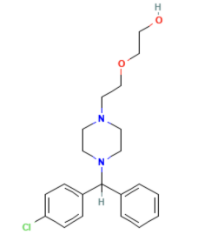
Hydroxyzine Chemical Structure
IUPAC (International Union of Pure and Applied Chemistry)/ Chemical name
2-[2-[4-(p-Chlorobenzhydryl)-1-piperazinyl]ethoxy]ethanol
Intake routine/cycle
Daily dose
Take Hydroxyzine exactly as your doctor recommends. The dose may change based on your condition and how well you respond. Do not take more than prescribed without consulting your doctor.
Missed Dose
If you forget to take your medicine, take the medication as soon as you remember. If it’s nearly time for your next dose, skip the missed one and continue with your regular schedule. Always consult the doctor before making any changes to your dosage.
Overdose
It is not recommended to take more than 400 mg of hydroxyzine per day, as it may cause severe overdosing effects like low blood pressure, heart problems, drowsiness, sedation, and muscle problems. If you face any of the severe effects, take him to the doctor.
Storage
- Store the medicine at room temperature
- Keep away from sunlight and moisture
- Keep out of reach of children
Directions for use
- Take Hydroxyzine exactly as prescribed by your doctor, at the same time each day.
- Do not stop taking Hydroxyzine without your doctor’s approval, even if you feel better.
- If you forget to take Hydroxyzine, take it as soon as you remember. If it’s almost time for your next dose, skip the missed dose.
Hydroxyzine Summary
Hydroxyzine is a prescription medicine used to treat anxiety, allergies, nausea, and poor sleep. It belongs to the class of antihistamines, meaning it blocks histamine, a chemical that causes itching, swelling, and allergic reactions. It also calms brain activity, which helps with anxiety. Common side effects include drowsiness, dry mouth, and dizziness. People with heart rhythm problems or glaucoma or older adults should use it cautiously. It can interact with alcohol and other sedatives, making drowsiness worse. Taking more than 400 mg can result in overdose, which may cause severe drowsiness, confusion, heart rhythm disturbances, or other serious complications and requires immediate medical attention.
FAQ’s
What are the uses of hydroxyzine tablets?
Hydroxyzine is a prescription medicine used to treat anxiety, allergies, nausea, and poor sleep. It belongs to the class of antihistamines.
What is the maximum dose of hydroxyzine per day?
It is not recommended to take more than 400 mg of hydroxyzine per day, as it may cause severe overdosing effects like low blood pressure, heart problems, drowsiness, sedation, and muscle problems. If you face any of the severe effects, take him to the doctor.
What is the drug class of hydroxyzine?
Hydroxyzine is a medicine belonging to the drug class of antihistamines, which means they suppress the histamine and give relief from nausea, allergies, and anxiety.
What is the mechanism of action of hydroxyzine?
Hydroxyzine works by calming both the skin and the brain when your body overreacts to things like allergens or stress. For allergies, it blocks H1 histamine receptors, which are like switches that turn on itching, swelling, and sneezing, keeping those reactions quiet. For anxiety or sleeplessness, it gently slows down brain signals by affecting serotonin and acetylcholine, which helps you feel more relaxed and sleepier. It doesn’t fix the root problem, but it mutes the body’s response.
Reference
- PubChem. Hydroxyzine. Bethesda (MD): National Library of Medicine (US); 2004–2024. Available from.
- DrugBank. Hydroxyzine. Edmonton (AB): Canadian Institutes of Health Research; 2005–2024. Available from.
- Mayo Clinic. Hydroxyzine (Oral Route): Description and Brand Names. Rochester (MN): Mayo Foundation for Medical Education and Research; 1998–2024. Available from.
- WebMD. Hydroxyzine HCl Oral: Uses, Side Effects, Interactions, Pictures, Warnings and Dosing. New York (NY): WebMD LLC; 1994–2024. Available from.
- Drugs.com. Hydroxyzine: Uses, Side Effects and Warnings. Auckland: Drugsite Limited; 2000–2024. Available from.
Authors



Siva Krishna Adithya Bhumireddy completed a Bachelor of Pharmacy from GIET School of Pharmacy, affiliated with Andhra University, and from his 3rd year of graduation, he was working as a freelance medical and publication writer. Having expertise in systematic reviews and clinical research. With his keen interest and skills in research and documentation practices, he also reviewed more than 150 manuscripts from international journals like Elsevier, Springer Nature, and Sage Journals, and all the manuscripts were indexed and appeared in PubMed, Scopus, and Web of Science databases, and he received honorary recognition letters and certificates from all of them. Siva Krishna Adithya also published a few systematic, narrative reviews and a few chapters of international expertise.