Category- Allopathy
Medicine Highlights
| Uses | 1. To treat high blood pressure 2. To treat heart failure |
| Common Side Effects | 1. Headache 2. Dizziness 3. Cough 4. Low blood pressure 5. Chest pain 6. Swelling of the ankles or feet |
| Additional Information | 1. Try to avoid bananas and potassium-rich foods; they may cause dizziness |
| Storage | 1. The medicine should be stored at room temperature. 2. Keep away from sunlight and moisture. 3. Keep away from the reach of children |
| How to Take This Medicine | Take this medication orally with a sip of water. |
Lisinopril + Amlodipine Uses
Lisinopril + Amlodipine is an oral medicine belonging to the category of antihypertensives and is used for the following indications:
- High blood pressure
- Heart Failure
Lisinopril + Amlodipine side effects
More Common
- Headache
- Dizziness
- Cough
- Low blood pressure
- Chest pain
- Swelling of the ankles or feet
Less Common
- Arm, back, or jaw pain
- Chest discomfort, tightness, or heaviness
- Fast or irregular heartbeat
- General feeling of discomfort or illness
- Joint pain
- Loss of appetite
- Muscle aches and pains
- Shivering
- Trouble sleeping
- Acid or sour stomach
- Belching
- Burning, crawling, itching, numbness, prickling, “pins and needles”, or tingling feelings
- Feeling of constant movement of self or surroundings
- Heartburn
- Indigestion
- Muscle cramps
- Sensation of spinning
- Stomach discomfort or upset
- Swelling
- Decreased interest in sexual intercourse
- Inability to have or keep an erection
- Lack or loss of strength
- Loss in sexual ability, desire, drive, or performance
- Rash
- Chest tightness
- Difficult or labored breathing
- Dizziness
- Fast, irregular, pounding, or racing heartbeat or pulse
- Feeling of warmth
- Redness of the face, neck, arms, and occasionally, upper chest
How Lisinopril + Amlodipine works
Lisinopril and amlodipine work by targeting different pathways to lower blood pressure. Lisinopril blocks the enzyme that produces angiotensin II, a chemical that tightens blood vessels, helping them relax and reducing fluid buildup. Amlodipine stops calcium from entering the vessel walls, keeping arteries open and improving blood flow. Together, they ease strain on the heart, lower blood pressure more effectively, and protect the kidneys.
Safety Measures and Warning
Pregnancy
Lisinopril is unsafe in pregnancy as it can harm the baby, while amlodipine is used cautiously. Doctors usually recommend switching to safer blood pressure medicines during pregnancy and inform your doctor if you are pregnant.
Breastfeeding
Lisinopril can pass into breast milk and may rarely lower your baby’s blood pressure or cause tiredness. Safer options like enalapril are preferred, and inform your doctor before continuing.
Liver Problems
Lisinopril can worsen kidney problems, while amlodipine may build up in liver disease. Both require caution, so patients should consult a doctor for safe alternatives and dose adjustments.
Lisinopril + Amlodipine Interaction with Food Product
Lisinopril can interact with potassium‑rich foods, salt substitutes, and alcohol, while amlodipine adds to the blood‑pressure‑lowering effect; together these risks may cause dizziness, low blood pressure, or kidney strain, so it’s essential to consult your doctor and have regular monitoring.
Lisinopril + Amlodipine Interaction with Other Medicines
Avoid taking Lisinopril + Amlodipine with the following medicines, as it may increase or decrease the desired effect, or in worse cases, it could be fatal:
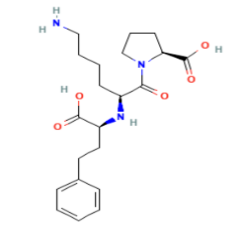
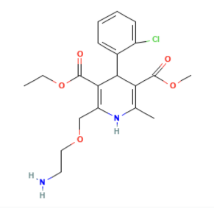
Lisinopril + Amlodipine Chemical Structure
IUPAC (International Union of Pure and Applied Chemistry)/ Chemical name
Lisinopril- (2S)-1-[(2S)-6-amino-2-[[(1S)-1-carboxy-3-phenylpropyl]amino]hexanoyl]pyrrolidine-2-carboxylic acid.
Amlodipine- (RS)-3-ethyl 5-methyl 2-[(2-aminoethoxy)methyl]-4-(2-chlorophenyl)-6-methyl-1,4-dihydropyridine-3,5-dicarboxylate.
Intake routine/cycle
Daily dose
Take Lisinopril + Amlodipine exactly as your doctor recommends. The dose may change based on your condition and how well you respond. Do not take more than prescribed without consulting your doctor.
Missed Dose
If you forget to take your medicine, take the medication as soon as you remember. If it’s nearly time for your next dose, skip the missed one and continue with your regular schedule. Always consult the doctor before making any changes to your dosage.
Overdose
It is not recommended to take more than 40 mg of lisinopril + amlodipine medicine per day, as it may cause severe overdosing effects like kidney and liver damage, dizziness, and severe low blood pressure. If you face any of the severe effects, see the doctor.
Storage
- Store the medicine at room temperature
- Keep away from sunlight and moisture
- Keep out of reach of children
Directions for use
- Take lisinopril + amlodipine exactly as prescribed by your doctor, at the same time each day.
- Do not stop taking lisinopril + amlodipine without your doctor’s approval, even if you feel better.
- If you forget to take lisinopril + amlodipine, take it as soon as you remember. If it’s almost time for your next dose, skip the missed dose.
Lisinopril + Amlodipine Summary
Lisinopril + amlodipine is a blood pressure medicine that combines two therapeutic ingredients to relax and widen blood vessels. Lisinopril is an ACE inhibitor that blocks a chemical angiotensin, which tightens vessels, while amlodipine is a calcium gate blocker that eases blood flow by relaxing blood vessels. It helps prevent heart problems, stroke, and kidney damage. Common side effects include dizziness, tiredness, dry cough, and ankle swelling. Inform your doctor if you’re pregnant, breastfeeding, or have kidney issues or past severe allergic reactions. Avoid taking this medicine with alcohol and high-potassium foods (like bananas) , as this can increase risks. Taking more than 40 mg of lisinopril and amlodipine daily can be dangerous,and cause severe hypotension, shock, kidney injury, and life‑threatening complications. Always follow your doctor’s instructions when using it.
FAQ’s
What are the uses of the lisinopril and amlodipine combination?
Lisinopril + amlodipine is a blood pressure medicine that combines two drugs to relax and widen blood vessels. Lisinopril is an ACE inhibitor that blocks a chemical that tightens vessels, while amlodipine is a calcium channel blocker that eases blood flow. It helps prevent heart problems, stroke, and kidney damage.
What is the price of the amlodipine-lisinopril combination pill?
At Saya Care, a pack of 10 tablets, each tablet containing lisinopril 5 mg + amlodipine 5 mg, costs around 20 rupees, which is 80% less than the market price
What are the side effects of the lisinopril and amlodipine combination?
Common side effects of lisinopril + amlodipine include dizziness, tiredness, dry cough, and ankle swelling. Avoid if you’re pregnant, breastfeeding, or have kidney issues or past severe allergic reactions.
What is the drug class of lisinopril?
Lisinopril is an antihypertensive drug belonging to the class of angiotensin-converting enzyme inhibitors.
Reference
- Drugs.com. Lisinopril: Uses, Dosage, Side Effects & Warnings [Internet]. Updated 2024 Feb 29 [cited 2025 Jul 24]. Available from.
- Mayo Clinic. Lisinopril (oral route): Description and Uses [Internet]. Updated 2024 Feb 21 [cited 2025 Jul 24]. Available from.
- National Center for Biotechnology Information. Lisinopril [Internet]. Bethesda (MD): National Library of Medicine; [updated 2023 Dec 18; cited 2025 Jul 24]. Available from.
- Healthline. Lisinopril oral tablet: Side effects, dosage, uses, and more [Internet]. Updated 2024 Oct 9 [cited 2025 Jul 24]. Available from.
- WebMD. Lisinopril (Prinivil, Zestril, others): Uses, Side Effects, and More [Internet]. Updated 2024 May 30 [cited 2025 Jul 24]. Available from.
- Mayo Clinic. Amlodipine (oral route). Rochester: Mayo Clinic; 2023 [cited 2024 Sep 7]. Available from.
- Bulsara KG, et.al, Amlodipine. In: StatPearls Treasure Island (FL): StatPearls Publishing; 2024 Jan–. [Published 2024 Jan; cited 2024 Sep 7]. Available from.
- Drugs.com. Amlodipine and nifedipine interaction. Available from.
Authors



Siva Krishna Adithya Bhumireddy completed a Bachelor of Pharmacy from GIET School of Pharmacy, affiliated with Andhra University, and from his 3rd year of graduation, he was working as a freelance medical and publication writer. Having expertise in systematic reviews and clinical research. With his keen interest and skills in research and documentation practices, he also reviewed more than 150 manuscripts from international journals like Elsevier, Springer Nature, and Sage Journals, and all the manuscripts were indexed and appeared in PubMed, Scopus, and Web of Science databases, and he received honorary recognition letters and certificates from all of them. Siva Krishna Adithya also published a few systematic, narrative reviews and a few chapters of international expertise.