Category- Allopathy
Medicine Highlights
| Uses | 1. To relieve cough caused by throat irritation. 2. Reduces allergy symptoms like sneezing, runny nose, and watery eyes. 3. Provides relief in sore throat and minor throat discomfort. 4. To relieve dry cough |
| Common Side Effects | 1. Drowsiness or sleepiness 2. Dry mouth 3. Dizziness 4. Nausea or vomiting 5. Mild stomach discomfort 6. Headache |
| Additional Information | 1. Avoid consuming alcohol and tobacco with this medicine 2. Drink plenty of water to help loosen mucus. |
| Storage | 1- The medicine should be stored at room temperature 2- Keep away from sunlight and moisture 3- Keep away from the reach of children |
| How to Take This Medicine | This syrup should be taken orally after proper measurement |
Diphenhydramine + Ammonium Chloride + Sodium Citrate + Menthol Uses
Diphenhydramine + Ammonium Chloride + Sodium Citrate + Menthol is an oral medication that combines antihistamine, an expectorant, a mucolytic, and a soothing agent. This medicine is used to prevent and treat conditions like:
- Cough caused by throat irritation.
- Allergy symptoms like sneezing, runny nose, and watery eyes.
- Sore throat and minor throat discomfort.
- Dry cough
Directions for use
- Take this medicine exactly as prescribed by your doctor, at the same time each day.
- Do not stop taking this medicine without your doctor’s approval, even if you feel better.
- If you forget to take this medicine, take it as soon as you remember. If it’s almost time for your next dose, skip the missed dose.
Diphenhydramine + Ammonium Chloride + Sodium Citrate + Menthol side effects
More Common
- Drowsiness or sleepiness
- Dry mouth
- Dizziness
- Nausea or vomiting
- Mild stomach discomfort
- Headache
Less Common
- Allergic reactions (rash, itching, swelling)
- Fast or irregular heartbeat
- Confusion (mostly in elderly)
- Breathing difficulty
- Severe drowsiness or very low alertness
How Diphenhydramine + Ammonium Chloride + Sodium Citrate + Menthol works
Diphenhydramine acts as an H1 receptor antagonist, reducing histamine-mediated symptoms such as sneezing, runny nose, and throat irritation. Ammonium chloride acts as an expectorant, stimulating the respiratory tract to increase bronchial secretion, which helps loosen mucus. Sodium citrate functions as a mucolytic, alkalinizing the mucus and making it less viscous for easier expectoration. Menthol provides a local cooling and soothing effect on the throat, which helps relieve irritation and suppress cough reflex. Together, these components alleviate cough, thin and clear mucus, and reduce upper airway irritation.
Safety Measures and Warning
Allergy or hypersensitivity
Do not take this medicine if you are allergic to diphenhydramine, ammonium chloride, sodium citrate, menthol, or any other ingredients. Ask your doctor for a safer alternative.
Glaucoma or urinary retention patients
If you have glaucoma or urinary retention, avoid this medicine, as diphenhydramine can worsen these conditions. Your doctor should assess the risk first.
Severe heart, liver, or kidney disease
Do not take it if you have severe heart, liver, or kidney disease without consulting your doctor.
Children Below 12 years
Children below the recommended age should not take this medicine. Only your doctor can determine a safe dose.
Pregnancy or Breastfeeding
Pregnant or breastfeeding women should take this medicine only if their doctor approves.
Diphenhydramine + Ammonium Chloride + Sodium Citrate + Menthol Interaction with Food Product
Avoid consuming Grapefruit or grapefruit juice, alcohol and caffeine as they may reduce the effectiveness of the medicine and can cause side effects like increased heart rate and nervousness.
Diphenhydramine + Ammonium Chloride + Sodium Citrate + Menthol Interaction with Other Medicines
Avoid taking Diphenhydramine + Ammonium Chloride + Sodium Citrate + Menthol with the following medicines, as it may increase or decrease the desired effect, or in worse cases, it could be fatal:
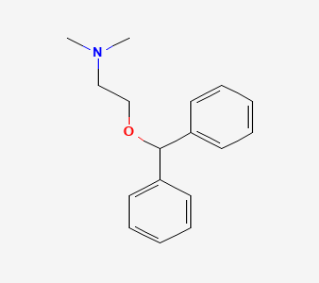
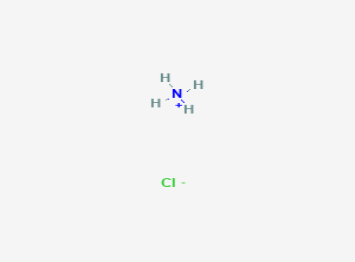
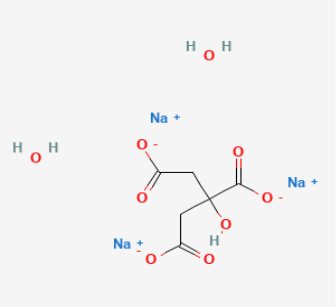
Diphenhydramine + Ammonium Chloride + Sodium Citrate + Menthol Chemical Structure
IUPAC (International Union of Pure and Applied Chemistry)/ Chemical name
Diphenhydramine: 2-benzhydryloxy-N,N-dimethylethanamine
Ammonium Chloride: azanium chloride
Sodium citrate: trisodium;2-hydroxypropane-1,2,3-tricarboxylate;dihydrate
Menthol: 5-methyl-2-propan-2-ylcyclohexan-1-ol

Intake routine/cycle
Daily dose
Take Diphenhydramine + Ammonium Chloride + Sodium Citrate + Menthol exactly as your doctor recommends. The dose may change based on your condition and how well you respond. Do not take more than prescribed without consulting your doctor.
Missed Dose
If you forget to take your medicine, take the medication as soon as you remember. If it’s nearly time for your next dose, skip the missed one and continue with your regular schedule. Always consult the doctor before making any changes to your dosage.
Overdose
Do not take diphenhydramine + ammonium chloride + sodium citrate + menthol more than the prescribed dose. Overdosing may cause nausea, vomiting, stomach pain, dizziness, headache, low blood pressure, drowsiness, restlessness, or in rare cases, seizures and breathing difficulty. Seek immediate medical attention if any of these occur.
Storage
- Store the medicine at room temperature
- Keep away from sunlight and moisture
- Keep out of reach of children
Diphenhydramine + Ammonium Chloride + Sodium Citrate + Menthol Summary
This oral combination is used to relieve cough, throat irritation, and allergy-related upper respiratory symptoms. Diphenhydramine is a first-generation antihistamine that reduces sneezing, runny nose, and itching. Ammonium chloride is an expectorant that loosens mucus, sodium citrate is a mucolytic that thins mucus, and menthol provides a soothing, cooling effect on the throat.
Common side effects include drowsiness, dizziness, dry mouth, mild stomach upset, and headache; rare effects may include confusion, fast heartbeat, allergic reactions, or breathing difficulty. It should be avoided by those allergic to its ingredients, with glaucoma, urinary retention, severe heart/liver/kidney disease, young children, or during pregnancy/breastfeeding unless advised by a doctor. Alcohol and sedatives should be avoided. This medicine relieves cough, thins mucus, and soothes throat irritation when used as directed by a healthcare professional.
FAQ’s
What is the role of Sodium Citrate in cough syrup?
Sodium Citrate acts as a mucolytic, helping to thin and loosen thick mucus in the airways, making it easier to cough up and clear the respiratory tract.
What are the side effects of Sodium Citrate in cough syrup?
Sodium Citrate is generally well tolerated, but may cause mild stomach upset, nausea, or vomiting in some people. Rarely, it can cause allergic reactions like rash or itching.
What are the uses of Ammonium Chloride in cough syrup?
Ammonium Chloride is used as an expectorant. It helps loosen and thin mucus in the respiratory tract, making it easier to cough up and clear the airways.
What is the chemical name of Ammonium Chloride?
The chemical name of Ammonium Chloride is Ammonium chloride (NH₄Cl).
Is Ammonium Chloride acidic or basic?
Ammonium Chloride is acidic in nature.
What are the uses of Diphenhydramine?
Diphenhydramine is an antihistamine used to relieve allergy symptoms such as sneezing, runny nose, watery eyes, and itching. It is also used to reduce cough, motion sickness, and mild insomnia in some cases.
What are the side effects of Diphenhydramine?
Common side effects include drowsiness, dizziness, dry mouth, blurred vision, and mild stomach upset. Rare side effects may include confusion, fast heartbeat, severe allergic reactions, and difficulty urinating.
What class of drug is Diphenhydramine?
Diphenhydramine belongs to the class of first-generation antihistamines (H1 receptor antagonists).
What is the mechanism of action of Diphenhydramine?
Diphenhydramine works by blocking H1 histamine receptors, which prevents histamine from causing allergy symptoms such as sneezing, runny nose, and itching. It also has mild sedative effects by acting on the central nervous system.
What are the uses of Menthol?
Menthol is used to soothe throat irritation, reduce cough, and give a cooling, refreshing feeling.
What are the side effects of Menthol?
Menthol is generally safe, but it may cause mild throat or mouth irritation, coughing, nausea, or allergic reactions in some people. Rarely, it can cause skin rash or breathing difficulty if allergic.
Reference
- PubChem. Diphenhydramine [Internet]. pubchem.ncbi.nlm.nih.gov. Available from
- PubChem. Ammonium chloride [Internet]. pubchem.ncbi.nlm.nih.gov. Available from
- PubChem. Sodium Citrate Dihydrate [Internet]. Nih.gov. PubChem; 2025 [cited 2025 Dec 5]. Available from
- PubChem. Menthol [Internet]. pubchem.ncbi.nlm.nih.gov. Available from
- Diphenhydramine + Ammonium Chloride + Sodium Citrate: View Uses, Side Effects and Medicines | 1mg [Internet]. 1mg. 2025 [cited 2025 Dec 5]. Available from
- DrugBank. Ammonium chloride [Internet]. go.drugbank.com. Available from
- DrugBank. Sodium citrate [Internet]. go.drugbank.com. 2015. Available from
- Menthol [Internet]. go.drugbank.com. Available from
Authors


Pranathi is a final year Pharm D student at Chalapathi Institute of Pharmaceutical Sciences. She loves learning and applying her knowledge in pharmacy and has a passion for writing, which allows her to express ideas clearly and creatively. She enjoys combining her technical skills with her love for writing and communication to make a meaningful impact. Currently she is working on a research paper about “Consanguineous marriages and its impact on children’s health” which will be published by the end of 2025.