Category- Allopathy
Medicine Highlights
| Uses | 1. To manage type 2 diabetes mellitus |
| Common Side Effects | 1. Headache 2. Cough 3. Constipation 4. Excessive sweating 5. Weakness 6. Thirst 7. Dizziness 8. Increased Urine |
| Additional Information | 1. Take it 15 to 30 minutes before meals to get more effect with no stomach irritation. 2. Take a walk after meal to improve digestion, acidity and stomach irritation |
| Storage | 1. The medicine should be stored at room temperature. 2. Keep away from sunlight and moisture. 3. Keep away from the reach of children |
| How to Take This Medicine | Take this medicine orally with a sip of water |
Dapagliflozin + Sitagliptin ses
Dapagliflozin 10 mg + Sitagliptin 100 mg is an oral combination medicine belonging to the category of antidiabetic drugs and is used to manage type 2 diabetes mellitus.
Dapagliflozin + Sitagliptin side effects
More Common
- Headache
- Cough
- Constipation
- Excessive sweating
- Weakness
- Thirst
- Dizziness
- Increased Urine
Less Common
- Hypoglycemia (especially when used with other medications)
- Swelling of the face, lips, or eyelids
- Heartburn
- Liver enzyme elevation
- Burning or pain while peeing
- Itchy skin
- Skin rash
How Dapagliflozin + Sitagliptin works
Dapagliflozin and sitagliptin work by tackling high blood sugar from two angles in type 2 diabetes; dapagliflozin blocks SGLT2 channels in the kidneys, allowing excess glucose to exit through urine, while sitagliptin protects pancreatic hormones that help the pancreas release insulin. This dual action controls sugar without weight gain and may even help with slight weight loss.
Safety Measures and Warning
Pregnancy
Due to a lack of studies on the effects of dapagliflozin and sitagliptin on the fetus, its safety is not clearly established. Therefore, if you are pregnant or planning to conceive, inform your doctor.
Breastfeeding
Small amounts of dapagliflozin and sitagliptin pass into breast milk. Tell your healthcare provider if you are breastfeeding or plan to breastfeed. Your healthcare provider will advise you if you should stop breastfeeding or stop it.
Kidney and Liver Problems
Patients suffering from kidney and liver problems are more prone to kidney and liver damage. As the drug is made into a less toxic form in the liver and kidney, consult a doctor before using it.
Dapagliflozin + Sitagliptin Interaction with Food Product
Avoid alcohol and smoking simultaneously, as they may affect the drug’s action and show an effect on blood glucose levels by affecting the liver and pancreas. It can sometimes increase blood sugar levels and sometimes decrease blood sugar levels.
Dapagliflozin + Sitagliptin Interaction with Other Medicines
Avoid taking Dapagliflozin 10 mg + Sitagliptin 100 mg with the following medicines, as it may increase or decrease the desired effect, or in worse cases, it could be fatal:
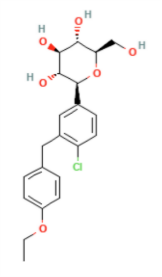
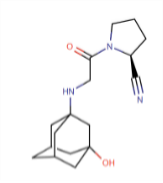
Dapagliflozin + Sitagliptin Chemical Structure
IUPAC (International Union of Pure and Applied Chemistry)/ Chemical name
Dapagliflozin-(2S,3R,4R,5S,6R) -2- {4-chloro -3-[(4-ethoxyphenyl) methyl] phenyl} -6-(hydroxymethyl) oxane-3,4,5-triol
Sitagliptin-(2S)-1-[2-[(3-hydroxyadamantan-1-yl) amino]acetyl] pyrrolidine-2-carbonitrile
Intake routine/cycle
Daily dose
Take Dapagliflozin + Sitagliptin exactly as your doctor recommends. The dose may change based on your condition and how well you respond. Do not take more than prescribed without consulting your doctor.
Missed Dose
If you forget to take your medicine, take the medication as soon as you remember. If it’s nearly time for your next dose, skip the missed one and continue with your regular schedule. Always consult the doctor before making any changes to your dosage.
Overdose
It is not recommended to take more than 30 mg of dapagliflozin and 300 mg of Sitagliptin per day, as it may cause severe overdosing effects like extreme dizziness, confusion, low blood pressure, liver damage, low blood sugar levels, swelling, muscle damage, and seizures. Immediately give the patient fruit or glucose-containing liquids and sugary foods to minimize the effects.
Storage
- Store the medicine at room temperature
- Keep away from sunlight and moisture
- Keep out of reach of children
Directions for use
- Take Dapagliflozin + Sitagliptin exactly as prescribed by your doctor, at the same time each day.
- Do not stop taking Dapagliflozin + Sitagliptin without your doctor’s approval, even if you feel better.
- If you forget to take Dapagliflozin + Sitagliptin, take it as soon as you remember. If it’s almost time for your next dose, skip the missed dose.
Dapagliflozin + Sitagliptin Summary
Dapagliflozin and sitagliptin is a dual-action tablet for type 2 diabetes. dapagliflozin Helping the body pee out extra sugar, while sitagliptin boosts insulin release by protecting pancreatic hormones. This combination lowers sugar levels and may help with weight loss and is easy to take. Food has minimal impact, but staying hydrated and avoiding heavy fatty meals is advised. Patients older than 60 years, with kidney or liver impairment, and dehydrated patients should consult a doctor before taking this medication. The maximum daily dose of dapagliflozin is 30 mg, and 300 mg of sitagliptin; overdose risk rises above this, especially with dehydration or organ dysfunction.
FAQ’s
What is the maximum dose of sitagliptin per day?
It is not recommended to take more than 400 mg of sitagliptin per day, as it may cause severe overdosing effects like extreme dizziness, confusion, low blood pressure, liver damage, low blood sugar levels, swelling, muscle damage, and seizures. Immediately give the patient fruit or glucose-containing liquids and sugary foods to minimize the effects.
What are the side effects of dapagliflozin 10 mg + sitagliptin 100 mg?
Sitagliptin is a pill taken by people with type 2 diabetes to help keep their blood sugar levels under control. Most people tolerate it well, but some may get common side effect like feeling tired or headaches or have minor stomach issues.
What is the mechanism of action of sitagliptin ?
Your body is like a classroom, and sugar is homework for your cells. Insulin helps deliver the homework, but in diabetes, some cells stop accepting it, so sugar builds up in the blood. GLP-1 and GIP are helpers that remind cells to take the sugar, but DPP-4 makes them leave too soon. sitagliptin stops DPP-4, so the helpers stay longer and help the body use sugar better.
What are the uses of sitagliptin ?
Sitagliptin is an oral antidiabetic medicine used to treat type 2 diabetes by promoting the insulin production and inhibiting an insulin-killing enzyme known as dipeptidyl peptidase.
Reference
- Medicover Hospitals. Sitagliptin: Uses, Dosage, Side Effects, Price. Medicover Hospitals; [cited 2025 Jul 18]. Available from.
- DrugBank. Sitagliptin (DB04876). DrugBank Online; [cited 2025 Jul 18]. Available from.
- Gallwitz B. Clinical Use of DPP-4 Inhibitors. Frontiers in Diabetes. 2009;19:137–152. [cited 2025 Jul 18]. Available from.
- Drugs.com. Galvus 50mg tablets, Summary of Product Characteristics (SPC). Drugs.com UK; [cited 2025 Jul 18]. Available from.
- Practo. Dapagliflozin [Internet]. [cited 2025 Sep 30]. Available from.
- Mayo Clinic. Dapagliflozin (oral route) [Internet]. [cited 2025 Sep 30]. Available from.
- Drugs.com. Dapagliflozin [Internet]. [cited 2025 Sep 30]. Available from.\
- National Center for Biotechnology Information. PubChem Compound Summary for CID 1152270, Dapagliflozin [Internet]. Bethesda (MD): National Library of Medicine; [cited 2025 Sep 30]. Available from.
Authors



Siva Krishna Adithya Bhumireddy completed a Bachelor of Pharmacy from GIET School of Pharmacy, affiliated with Andhra University, and from his 3rd year of graduation, he was working as a freelance medical and publication writer. Having expertise in systematic reviews and clinical research. With his keen interest and skills in research and documentation practices, he also reviewed more than 150 manuscripts from international journals like Elsevier, Springer Nature, and Sage Journals, and all the manuscripts were indexed and appeared in PubMed, Scopus, and Web of Science databases, and he received honorary recognition letters and certificates from all of them. Siva Krishna Adithya also published a few systematic, narrative reviews and a few chapters of international expertise.