Category- Allopathy
About Acetaminophen 325 mg + Chlorzoxazone 250 mg + Diclofenac 50 mg
Acetaminophen 325 mg + Chlorzoxazone 250 mg + Diclofenac 50 mg is an oral combination medicine used to treat muscle pain, muscle spasms, back pain, neck pain, joint pain, and body pain with swelling or stiffness. Acetaminophen (Paracetamol) helps reduce pain and fever, Diclofenac is an NSAID (pain and inflammation reducing medicine) that blocks chemical messengers causing pain, swelling, and inflammation, and Chlorzoxazone is a muscle relaxant that acts on the brain and spinal cord to relax tight muscles and reduce spasms. Common side effects include sleepiness, dizziness, stomach pain, nausea, vomiting, acidity, heartburn, loose motions, constipation, tiredness, and dry mouth, while rare but serious side effects may include stomach ulcer or bleeding, liver problems, kidney problems, severe allergy, or breathing trouble.
This medicine is best taken after food to reduce stomach irritation, and alcohol should be avoided because it can increase sleepiness, liver damage risk, and stomach bleeding risk. People with allergy to the ingredients, stomach ulcer or bleeding, liver disease, kidney disease, heart problems, high blood pressure, asthma, pregnancy, breastfeeding, and regular alcohol use should take it only with doctor’s advice.
Medicine Highlights
| Uses | 1. To treat muscle pain and muscle spasm (muscle tightness or stiffness) 2. To treat back pain, neck pain, or shoulder pain 3. To treat joint pain with muscle spasm 4. To reduce pain, swelling, and inflammation |
| Common Side Effects | 1. Sleepiness or drowsiness 2. Dizziness 3. Stomach pain or discomfort 4. Nausea or vomiting 5. Acidity or heartburn 6. Loose motions or constipation 7. Tiredness 8. Dry mouth |
| Additional Information | To keep you safe and healthy, use this medicine only with your doctor’s guidance. |
| Storage | 1. The medicine should be stored at room temperature. 2. Keep away from sunlight and moisture. 3. Keep away from the reach of children |
| How to Take This Medicine | Take this medication orally with a sip of water. |
Acetaminophen 325 mg + Chlorzoxazone 250 mg + Diclofenac 50 mg Uses
Acetaminophen 325 mg + Chlorzoxazone 250 mg + Diclofenac 50 mg is analgesic oral combination medicine. Acetaminophen 325 mg + Chlorzoxazone 250 mg + Diclofenac 50 mg is used to treat the following conditions:
- Muscle pain and muscle spasms
- Back pain
- Neck pain
- Joint pain
- Body pain with swelling or stiffness
Acetaminophen 325 mg + Chlorzoxazone 250 mg + Diclofenac 50 mg side effects
More Common
- Nausea
- Stomach pain
- Indigestion
- Dizziness
- Drowsiness
- Loose motions (diarrhea)
- Weakness or tiredness
Less Common
- Skin rash
- Vomiting
- Dry mouth
- Constipation
- Blurred vision
- Low blood pressure
- Allergic reaction (rare)
How Acetaminophen 325 mg + Chlorzoxazone 250 mg + Diclofenac 50 mg works
This combination works in three ways to relieve pain and muscle tightness. Acetaminophen (Paracetamol) helps reduce pain and can also lower fever. Diclofenac works by blocking certain chemical messengers in the body that cause pain, swelling, and inflammation. Chlorzoxazone acts on the brain and spinal cord to relax tight muscles and reduce muscle spasms. Together, they help relieve pain, reduce swelling, and improve movement.
Safety Measures and Warning
Allergy or Hypersensitivity
Do not take this medicine if you are allergic to any of these medicines or similar painkillers. Taking it may cause rash, itching, swelling, or breathing difficulty. Always inform your doctor about past drug reactions before taking this medication.
Stomach ulcer or stomach bleeding
If you have stomach ulcer, black stools, or history of stomach bleeding, take this medicine only if the doctor advises. Diclofenac can worsen ulcers and cause serious bleeding. Communicate with your doctor about your medical condition.
Liver problems
If you have liver disease, use this medicine carefully and only on doctor’s advice. It may increase the risk of liver damage.
Kidney problems
If you have kidney disease, consult your doctor before taking it. Diclofenac may worsen kidney function.
Heart problems or high blood pressure
If you have heart disease, swelling, or high BP, use it only if prescribed. Diclofenac may increase fluid retention and worsen heart problems. Communicate with your doctor about your medical condition.
Asthma
If you have asthma, tell your doctor before taking it. In some people, diclofenac may trigger breathing problems or wheezing. Communicate with your doctor about your medical condition
Pregnancy
If you are pregnant or planning pregnancy, take this medicine only if your doctor advises it. It may harm the baby, especially in later pregnancy.
Breastfeeding women
If you are breastfeeding, ask your doctor before taking it. Some amount of the medicine may pass into breast milk and affect the baby.
Acetaminophen 325 mg + Chlorzoxazone 250 mg + Diclofenac 50 mg Interaction with Food Product
This medicine is best taken after food to reduce the chance of stomach pain, acidity, or irritation, especially because diclofenac can upset the stomach. It is important to avoid alcohol, as alcohol can increase sleepiness caused by chlorzoxazone and raise the risk of liver damage and stomach bleeding. Avoid taking it on an empty stomach, as this may increase stomach discomfort.
Acetaminophen 325 mg + Chlorzoxazone 250 mg + Diclofenac 50 mg Interaction with Other Medicines
Avoid taking Acetaminophen 325 mg + Chlorzoxazone 250 mg + Diclofenac 50 mg with the following medicines, as it may increase or decrease the desired effect, or in worse cases, it could be fatal:
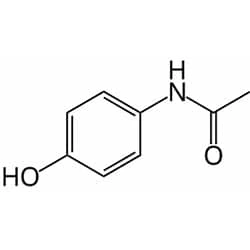
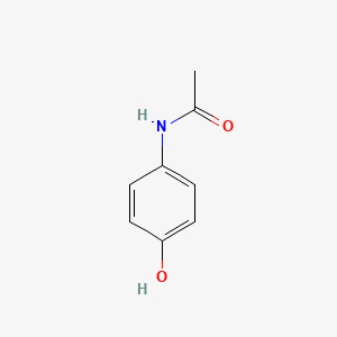
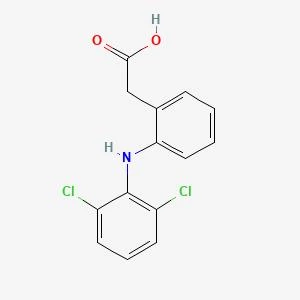
Acetaminophen 325 mg + Chlorzoxazone 250 mg + Diclofenac 50 mg Chemical Structure
IUPAC (International Union of Pure and Applied Chemistry)/ Chemical name
Acetaminophen: N-(4-hydroxyphenyl)acetamide
Chorzoxazone: 5-chloro-3H-1,3-benzoxazol-2-one
Diclofenac: 2-[2-(2,6-dichloroanilino)phenyl]acetic acid
Intake routine/cycle
Daily dose
Take Acetaminophen 325 mg + Chlorzoxazone 250 mg + Diclofenac 50 mg exactly as your doctor recommends. The dose may change based on your condition and how well you respond. Do not take more than prescribed without consulting your doctor.
Missed Dose
If you forget to take your medicine, take the medication as soon as you remember. If it’s nearly time for your next dose, skip the missed one and continue with your regular schedule. Always consult the doctor before making any changes to your dosage.
Overdose
It is not recommended to take this combination more than the prescribed dose by doctor, as it may cause severe overdose symptoms like nausea, vomiting, headache, tremors, restlessness, and rapid heartbeat.
Storage
- Store the medicine at room temperature.
- Keep away from sunlight and moisture.
- Keep out of reach of children.
Directions for use
- Take Acetaminophen 325 mg + Chlorzoxazone 250 mg + Diclofenac 50 mg exactly as prescribed by your doctor, at the same time each day.
- Do not stop taking Acetaminophen 325 mg + Chlorzoxazone 250 mg + Diclofenac 50 mg without your doctor’s approval, even if you feel better.
- If you forget to take Acetaminophen 325 mg + Chlorzoxazone 250 mg + Diclofenac 50 mg, take it as soon as you remember. If it’s almost time for your next dose, skip the missed dose.
FAQ’s
What are the uses of acetaminophen?
Acetaminophen (also called paracetamol) is used to relieve pain and reduce fever. It is commonly used for headache, body pain, muscle pain, toothache, period pain, joint pain, cold/flu-related fever, and mild to moderate pain.
What are the side effects of acetaminophen?
Acetaminophen is usually well tolerated when taken in the correct dose. Common side effects are rare, but some people may have nausea, stomach discomfort, or mild rash. Rare but serious side effects include liver damage (especially in overdose), severe allergy, swelling, breathing trouble, or skin reactions.
What is the drug class of acetaminophen?
Acetaminophen belongs to the class of medicines called analgesics (pain relievers) and antipyretics (fever reducers). It is mainly used to reduce pain and fever.
What are the uses of Chlorzoxazone tablets?
Chlorzoxazone tablets are used to relax muscles and relieve pain caused by muscle spasms, muscle stiffness, back pain, neck pain, sprains, and other painful muscle conditions.
What are the side effects of Chlorzoxazone?
Common side effects of Chlorzoxazone may include drowsiness, dizziness, weakness, stomach upset, nausea, and tiredness. In rare cases, it may also cause allergic reactions or liver-related problems.
What are the uses of Diclofenac?
Diclofenac is used to relieve pain, inflammation, and swelling in conditions such as arthritis, muscle and joint pain, back pain, injury-related pain, and menstrual pain.
What is the mechanism of action of Diclofenac?
Diclofenac works by blocking cyclooxygenase (COX) enzymes, which reduces the production of prostaglandins responsible for pain, inflammation, and swelling.
What is the drug class of Diclofenac?
Diclofenac belongs to the class of non-steroidal anti-inflammatory drugs (NSAIDs), which help reduce pain, inflammation, and swelling.
Reference
- Mayo Clinic. Acetaminophen (Oral route, Rectal route) [Internet]. 2024 [cited 2024 Nov 28]. Available from
- National Center for Biotechnology Information. Acetaminophen [Internet]. StatPearls [updated 2024 Nov 28; cited 2024 Nov 28]. Available from
- Diclofenac (Oral Route) Description and Brand Names – Mayo Clinic [Internet]. www.mayoclinic.org. 2024. Available from
- Alfaro RA, Modi PV. Diclofenac [Internet]. PubMed. Treasure Island (FL): StatPearls Publishing; 2023. Available from
Authors


Pranathi is a final year Pharm D student at Chalapathi Institute of Pharmaceutical Sciences. She loves learning and applying her knowledge in pharmacy and has a passion for writing, which allows her to express ideas clearly and creatively. She enjoys combining her technical skills with her love for writing and communication to make a meaningful impact. Currently she is working on a research paper about “Consanguineous marriages and its impact on children’s health” which will be published by the end of 2025.