Category- Allopathy
About Ofloxacin 200 mg + Ornidazole 500 mg
Ofloxacin 200 mg + Ornidazole 500 mg is a combination medicine used to treat infections caused by bacteria and certain protozoa. It is used for urinary tract infections, stomach and intestinal infections like diarrhea or dysentery, respiratory infections like bronchitis and pneumonia, vaginal or reproductive tract infections, skin infections, dental infections, post-surgical infections, and some eye or ear infections. Ofloxacin works by stopping bacteria from multiplying and repairing themselves, while Ornidazole damages the DNA of bacteria and protozoa, which kills the germs and clears the infection.
Common side effects include nausea, vomiting, stomach pain, diarrhea, headache, dizziness, and metallic taste, while rare but serious effects may include allergic reactions, tendon pain, numbness, mood changes, or irregular heartbeat. This medicine should be used with caution in pregnancy, kidney or liver problems, and in people allergic to either drug. It should be taken with water, avoiding milk, dairy, iron, or antacids at the same time, and medical help should be sought immediately in case of overdose or serious side effects.
Medicine Highlights
| Uses | 1. To treat gastrointestinal infections, such as acute diarrhea, dysentery, and food poisoning. 2. To treat urinary tract infections (UTIs). 3. To treat respiratory tract infections, including bronchitis and pneumonia. 4. To treat reproductive tract infections (e.g., bacterial vaginosis, pelvic inflammatory disease). 5. To treat skin and soft tissue infections, such as infected wounds or abscesses. 6. To treat dental infections, including gum and tooth abscesses. 7. To treat post-surgical infections 8. To treat eye and ear infections. |
| Common Side Effects | 1. Nausea or vomiting 2. Diarrhea or loose stools 3. Stomach pain or upset stomach 4. Headache 5. Dizziness 6. Metallic taste in the mouth |
| Additional Information | This medicine should only be used under medical supervision. |
| Storage | 1- The medicine should be stored at room temperature 2- Keep away from sunlight and moisture 3- Keep away from the reach of children |
| How to Take This Medicine | Take this medicine orally with a sip of water |
Ofloxacin 200 mg + Ornidazole 500 mg Uses
Ofloxacin 200 mg + Ornidazole 500 mg is a combination antibiotic medicine used to kill bacteria and certain germs, and treat infections such as:
- Gastrointestinal infections, like acute diarrhea, dysentery, and food poisoning
- Urinary tract infections (UTIs)
- Respiratory tract infections, including bronchitis and pneumonia
- Reproductive tract infections, such as bacterial vaginosis and pelvic inflammatory disease
- Skin and soft tissue infections, including infected wounds or abscesses
- Dental infections, like gum and tooth abscesses
- Post-surgical infections
- Eye and ear infections
Directions for use
- Take this medicine exactly as prescribed by your doctor, at the same time each day.
- Do not stop taking this medicine without your doctor’s approval, even if you feel better.
- If you forget to take this medicine, take it as soon as you remember. If it’s almost time for your next dose, skip the missed dose.
Ofloxacin 200 mg + Ornidazole 500 mg side effects
More Common
- Nausea or vomiting
- Diarrhea or loose stools
- Stomach pain or upset stomach
- Headache
- Dizziness
- Metallic taste in the mouth
Less Common
- Allergic reactions (rash, swelling, difficulty breathing)
- Tendon pain or tendon rupture (usually in the ankle)
- Numbness or tingling in hands or feet
- Severe diarrhea (may be due to gut infection)
- Mood changes, confusion, or irregular heartbeat
How Ofloxacin 200 mg + Ornidazole 500 mg works
This medicine works by killing the germs that cause infections. Ofloxacin, stops bacteria from multiplying, while Ornidazole damages the DNA of certain bacteria and protozoa. Together, they treat infections in the stomach, urinary tract, reproductive organs, skin, teeth, and respiratory system.
Safety Measures and Warning
Allergy/Hypersensitivity
Do not take this medicine if you are allergic to ofloxacin, ornidazole, or other similar antibiotics. It may cause severe allergic reactions like rash, swelling, or difficulty breathing. Always inform your doctor about any past drug allergies.
History of tendon problems
Avoid if you have had tendon pain or rupture, especially from previous antibiotic use. This medicine may increase the risk of tendon injury. Communicate with your doctor about your past illness
Kidney or liver problems
Use with caution if you have serious kidney or liver disease, as the medicine may build up in the body and cause side effects. Tell your doctor about any such conditions.
Pregnancy or breastfeeding
This medicine should be avoided during pregnancy or breastfeeding unless prescribed by a doctor, as it may affect the baby. Always inform your doctor if you are pregnant or breastfeeding.
Ofloxacin 200 mg + Ornidazole 500 mg Interaction with Food Product
Ofloxacin 200 mg + Ornidazole 500 mg can be taken with or without food, but you should avoid taking it with milk, yogurt, cheese, or other calcium-rich foods, as these can reduce how well the medicine is absorbed. Also, avoid taking it at the same time as iron, zinc, or antacid tablets, because they can block the medicine from working properly.
Ofloxacin 200 mg + Ornidazole 500 mg Interaction with Other Medicines
Avoid taking Ofloxacin 200 mg + Ornidazole 500 mg with the following medicines, as it may increase or decrease the desired effect, or in worse cases, it could be fatal:
Ofloxacin 200 mg + Ornidazole 500 mg Chemical Structure
IUPAC (International Union of Pure and Applied Chemistry)/ Chemical name
Ofloxacin: 7-fluoro-2-methyl-6-(4-methylpiperazin-1-yl)-10-oxo-4-oxa-1-azatricyclo[7.3.1.0] trideca-5(13),6,8,11-tetraene-11-carboxylic acid
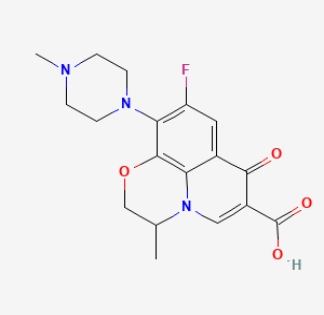
Ornidazole: 1-chloro-3-(2-methyl-5-nitroimidazol-1-yl)propan-2-ol

Intake routine/cycle
Daily dose
Take Ofloxacin 200 mg + Ornidazole 500 mg exactly as your doctor recommends. The dose may change based on your condition and how well you respond. Do not take more than prescribed without consulting your doctor.
Missed Dose
If you forget to take your medicine, take the medication as soon as you remember. If it’s nearly time for your next dose, skip the missed one and continue with your regular schedule. Always consult the doctor before making any changes to your dosage.
Overdose
It is not recommended to take more than the prescribed dose of Ofloxacin 200 mg + Ornidazole 500 mg. Overdose may cause nausea, vomiting, stomach pain, dizziness, headache, fast or irregular heartbeat, nervousness, or muscle cramps. In case of any of these symptoms, seek immediate medical help.
Storage
- Store the medicine at room temperature
- Keep away from sunlight and moisture
- Keep out of reach of children
FAQ’s
What are the uses of Ofloxacin 200 mg + Ornidazole 500 mg tablets?
Ofloxacin 200 mg + Ornidazole 500 mg Tablets are used to treat infections caused by bacteria and certain germs. They help with urinary tract infections, stomach or intestinal infections like diarrhea and dysentery, respiratory infections like bronchitis and pneumonia, vaginal infections, skin infections, dental infections, post-surgery infections, and some eye or ear infections.
What are the side effects of Ofloxacin 200 mg + Ornidazole 500 mg tablets?
These tablets may cause nausea, vomiting, diarrhea, stomach pain, headache, dizziness, or a metallic taste in the mouth. Rarely, they can cause severe allergic reactions, tendon pain or rupture, numbness or tingling in the hands or feet, severe diarrhea from gut infection, mood changes, confusion, or irregular heartbeat. If any serious symptoms occur, seek medical help immediately.
What are the side effects of Ofloxacin?
Ofloxacin may cause nausea, vomiting, diarrhea, stomach pain, headache, dizziness, or a metallic taste in the mouth. Rarely, it can cause severe allergic reactions, tendon pain or rupture, numbness or tingling in the hands or feet, mood changes, confusion, or irregular heartbeat. If any serious symptoms occur, seek medical help immediately.
How does Ofloxacin work?
Ofloxacin is an antibiotic that kills bacteria by stopping them from multiplying and repairing themselves. This prevents the bacteria from growing and allows the body to fight off the infection.
Can I take Ofloxacin during pregnancy?
Ofloxacin is generally not recommended during pregnancy because it may affect the baby’s bone and joint development. It should only be taken if a doctor decides the benefits outweigh the risks. Always inform your doctor if you are pregnant before taking this medicine.
What are the side effects of Ornidazole?
Ornidazole may cause nausea, vomiting, stomach pain, diarrhea, or a metallic taste in the mouth. Some people may feel dizzy, sleepy, or have headache. Rarely, it can cause allergic reactions, numbness or tingling in the hands or feet, or mood changes. If any severe symptoms occur, seek medical help immediately.
What is the usual dose of Ornidazole per day?
The usual adult dose of Ornidazole tablets is 500 mg twice a day or as prescribed by your doctor.
What class of drug is Ornidazole?
Ornidazole belongs to the nitroimidazole class of anti-infective drugs and works against certain bacteria and protozoa.
Can I use ornidazole for teeth?
Ornidazole gel is used for gum infections, mouth ulcers, or dental abscesses. It helps kill bacteria in the mouth, reduce infection, swelling, and pain, and promotes healing.
How does Ornidazole work?
Ornidazole works by entering the germs (bacteria and protozoa) and damaging their DNA, which stops them from growing and multiplying. As a result, the germs die, and the infection gets treated.
Reference
- PubChem. Ofloxacin [Internet]. Nih.gov. PubChem; 2025. Available from
- PubChem. Ornidazole [Internet]. Nih.gov. PubChem; 2025 [cited 2025 Dec 10]. Available from
- Ornidazole: Uses, Interactions, Mechanism of Action | DrugBank Online [Internet]. Drugbank.com. DrugBank; 2020. Available from
- Ofloxacin [Internet]. go.drugbank.com. Available from
- Graham DB, Tripp J. Ofloxacin [Internet]. PubMed. Treasure Island (FL): StatPearls Publishing; 2021. Available from
Authors


Pranathi is a final year Pharm D student at Chalapathi Institute of Pharmaceutical Sciences. She loves learning and applying her knowledge in pharmacy and has a passion for writing, which allows her to express ideas clearly and creatively. She enjoys combining her technical skills with her love for writing and communication to make a meaningful impact. Currently she is working on a research paper about “Consanguineous marriages and its impact on children’s health” which will be published by the end of 2025.