Category- Allopathy
Medicine Highlights
| Uses | 1. To manage bronchial asthma 2. To manage chronic obstructive pulmonary disease (COPD) 3. To manage chronic bronchitis (inflamed airways with cough) 4. To manage emphysema |
| Common Side Effects | 1. Nausea or vomiting 2. Stomach upset or pain 3. Headache 4. Dizziness 5. Restlessness or nervousness 6. Increased heart rate or palpitations |
| Additional Information | To be taken only when prescribed by the doctor. |
| Storage | 1- The medicine should be stored at room temperature 2- Keep away from sunlight and moisture 3- Keep away from the reach of children |
| How to Take This Medicine | The medicine should be taken orally |
Etophylline + Theophylline Uses
Etophylline + Theophylline is a combination medicine that belongs to the group of bronchodilators this medicine used to help open the airways and reduce inflammation in the lungs in the following conditions:
- Asthma
- Chronic bronchitis
- Emphysema
- COPD (Chronic Obstructive Pulmonary Disease)
Directions for use
- Take this medicine exactly as prescribed by your doctor, at the same time each day.
- Do not stop taking this medicine without your doctor’s approval, even if you feel better.
- If you forget to take this medicine, take it as soon as you remember. If it’s almost time for your next dose, skip the missed dose.
Etophylline + Theophylline side effects
More Common
- Nausea or vomiting
- Stomach upset or pain
- Headache
- Dizziness
- Restlessness or nervousness
- Increased heart rate or palpitations
Less Common
- Severe allergic reactions (rash, swelling, difficulty breathing)
- Chest pain or irregular heartbeat
- Seizures
- Severe vomiting or dehydration
How Etophylline + Theophylline works
Etophylline + Theophylline belongs to a class of bronchodilators. It works by relaxing the muscles around the airways, which widens the air passages in the lungs. This makes breathing easier, reduces wheezing, and relieves shortness of breath. It also helps the lungs work more efficiently during asthma, chronic bronchitis, or COPD.
Safety Measures and Warning
Seizures/Epilepsy
This medicine can increase the risk of seizures in susceptible individuals. Doctor’s advice is important to weigh the risks and provide safety measures if needed.
High Blood Pressure
Long-term use of this medication can increase your blood pressure, and if you are already a hypertensive patient then it can cause problems. It is best to tell about your condition to your doctor.
Heart Problems
Etophylline + Theophylline can increase heart rate or cause irregular heartbeat. Doctor’s advice is important to check if the medicine is safe for your heart condition and to adjust the dose if needed.
Pregnant or breastfeeding women
The safety of this medicine is not fully established in pregnancy or breastfeeding. Doctor’s advice is important to ensure it is safe for both mother and baby.
Severe Liver or Kidney Problems
This medicine is not cleared out fully from the body in individuals with liver or kidney disease. It is best to inform your doctor about your condition
Children
Safety and dosing for children need careful assessment. Doctor’s advice is important to prevent overdose or side effects in young patients.
Allergic Reactions or Hypersensitivity
Avoid using this medicine if you’re allergic to etophylline or theophylline, as it can cause rash, swelling, or difficulty breathing. Inform your allergy condition to your doctor.
Etophylline + Theophylline Interaction with Food Product
Avoid alcohol, limit caffeine and salty foods, and be careful with spicy or oily meals, as they may increase side effects, also they may cause severe drowsiness and sedation as they act on the brain directly.
Etophylline + Theophylline Interaction with Other Medicines
Avoid taking Etophylline + Theophylline with the following medicines, as it may increase or decrease the desired effect, or in worse cases, it could be fatal:
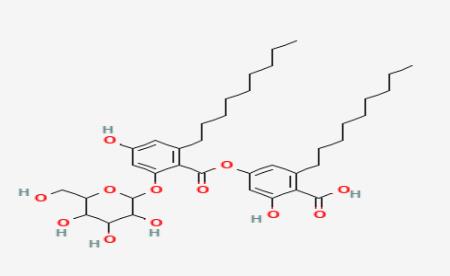
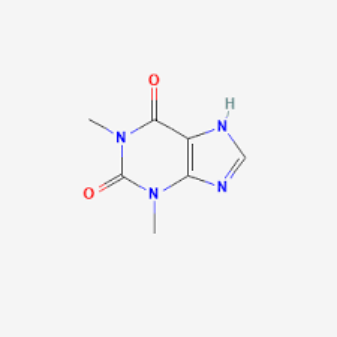
Etophylline + Theophylline Chemical Structure
IUPAC (International Union of Pure and Applied Chemistry)/ Chemical name
Etophylline: 2-hydroxy-4-[4-hydroxy-2-nonyl-6-[3,4,5-trihydroxy-6-(hydroxymethyl) oxan-2-yl]oxybenzoyl]oxy-6-nonylbenzoic acid
Theophylline: 1,3-dimethyl-7H-purine-2,6-dione
Intake routine/cycle
Daily dose
Take Etophylline + Theophylline exactly as your doctor recommends. The dose may change based on your condition and how well you respond. Do not take more than prescribed without consulting your doctor.
Missed Dose
If you forget to take your medicine, take the medication as soon as you remember. If it’s nearly time for your next dose, skip the missed one and continue with your regular schedule. Always consult the doctor before making any changes to your dosage.
Overdose
Do not take more than the prescribed dose of Etophylline + Theophylline (the usual adult dose for asthma or COPD is typically 77 mg Etophylline + 23 mg Theophylline two or three times daily). Overdosing may increase the risk of serious side effects such as fast heartbeat, irregular heartbeat, severe headache, dizziness, nausea, or vomiting. If you notice any unusual symptoms or feel unwell after taking the medicine, seek immediate medical attention.
Storage
- Store the medicine at room temperature
- Keep away from sunlight and moisture
- Keep out of reach of children
Etophylline + Theophylline Summary
Etophylline + Theophylline is a bronchodilator used to relax the muscles around the airways and improve airflow in conditions like asthma, emphysema, chronic bronchitis, and COPD, helping to reduce wheezing, shortness of breath, and chest tightness. It works by widening the air passages in the lungs, making breathing easier. Common side effects include nausea, vomiting, stomach upset, headache, dizziness, restlessness, or increased heart rate, while rare side effects may include allergic reactions, irregular heartbeat, or seizures.
People with heart problems, high blood pressure, seizure disorders, severe liver or kidney problems, or allergy to the medicine should consult a doctor before use. Pregnant or breastfeeding women and young children should take it only under doctor supervision. The usual dose is 95 mg per day (or as prescribed), and the medicine should not be stopped suddenly. Avoid excessive caffeine, alcohol, or very fatty meals, and always follow your doctor’s instructions.
FAQ’s
What are the uses of Etophylline + Theophylline?
Etophylline + Theophylline is used to treat breathing problems by relaxing the airways. It helps in asthma, chronic bronchitis, and COPD, reducing wheezing, shortness of breath, and chest tightness.
How does Etophylline + Theophylline work?
Etophylline + Theophylline is a bronchodilator. It works by relaxing the muscles around the airways, which widens the air passages in the lungs. This helps to improve airflow, reduce wheezing, and make breathing easier in conditions like asthma, chronic bronchitis, and COPD.
What class of medicine is Etophylline + Theophylline?
Etophylline + Theophylline belongs to the class of bronchodilators.
Who should not take Etophylline + Theophylline?
People with heart problems, high blood pressure, seizure disorders, severe liver or kidney problems, or allergy to Etophylline or Theophylline should avoid this medicine.
Can Theophylline be stopped immediately?
No, Theophylline should not be stopped suddenly without a doctor’s advice. Stopping abruptly may worsen breathing problems or trigger asthma/COPD flare-ups. A doctor will guide how to reduce the dose gradually if needed.
Reference
- PubChem. Etofylline [Internet]. Nih.gov. PubChem; 2025 [cited 2025 Oct 4]. Available from
- PubChem. Theophylline [Internet]. Nih.gov. PubChem; 2025 [cited 2025 Oct 4]. Available from
- ApolloPharmacy [Internet]. Apollopharmacy.in. 2019 [cited 2025 Oct 4]. Available from
- 1mg.com. Etofylline + Theophylline: View Uses, Side Effects and Medicines | 1mg [Internet]. 1mg. 2023 [cited 2025 Oct 4]. Available from
Authors


Pranathi is a final year Pharm D student at Chalapathi Institute of Pharmaceutical Sciences. She loves learning and applying her knowledge in pharmacy and has a passion for writing, which allows her to express ideas clearly and creatively. She enjoys combining her technical skills with her love for writing and communication to make a meaningful impact. Currently she is working on a research paper about “Consanguineous marriages and its impact on children’s health” which will be published by the end of 2025.