Category- Allopathy
About Methyl Prednisolone Sodium Succinate 1000 mg
Methyl prednisolone sodium succinate is a strong steroid medicine given as an injection to quickly reduce severe inflammation, swelling, or allergic reactions. It is used for serious conditions such as severe asthma attacks, life-threatening allergies, autoimmune disease flare-ups (like lupus and multiple sclerosis), inflammation in joints, skin, eyes, or digestive tract, and to prevent or manage organ transplant rejection. It works by calming the overactive immune system and blocking the substances that cause inflammation and allergic reactions, providing rapid relief in urgent situations.
Like all powerful medicines, it can cause side effects, including increased blood sugar, fluid retention, mood changes, stomach irritation, high blood pressure, and an increased risk of infections. Most side effects are temporary, but some may need medical attention if severe. Despite its fast action, the body may take a few days to weeks to fully recover from inflammation. This medicine should always be used under a doctor’s supervision, and careful monitoring is needed during and after the injection. Methyl prednisolone sodium succinate injection is an effective emergency or hospital-based treatment for severe inflammation and immune-related conditions, helping patients recover faster while controlling life-threatening reactions.
Medicine Highlights
| Uses | 1. To treat arthritis (inflammation of joints) 2. To treat autoimmune diseases such as rheumatoid arthritis, systemic lupus erythematosus, multiple sclerosis, and autoimmune hepatitis. 3. To control severe allergic reactions (like swelling, rashes) 4. To treat certain respiratory conditions such as asthma or chronic obstructive pulmonary disease (COPD) flare-ups 5. To manage inflammatory bowel diseases like ulcerative colitis or crohn’s disease 6. To prevent organ rejection after transplantation |
| Common Side Effects | 1.Increased blood sugar (can trigger temporary diabetes) 2. Mood changes (irritability, anxiety, euphoria, insomnia) 3. Facial flushing or redness after injection 4. Increased appetite and weight gain 5. Fluid retention and swelling 6. Stomach irritation, nausea, and vomiting 7. Headache or dizziness |
| Additional Information | 1. Blood pressure, blood sugar, and electrolytes are often monitored during and after infusion. 2. Doctors may check for infection before starting treatment. 3. Avoid live vaccines during treatment, as the immune system is temporarily suppressed. |
| Storage | 1.The medicine should be stored at room temperature 2. Keep away from sunlight and moisture 3. Keep away from the reach of children |
| How to Take This Medicine | This medicine is meant to be given by injection. |
Methyl Prednisolone Sodium Succinate 1000 mg Uses
Methyl prednisolone sodium succinate is an injectable corticosteroid medicine used in hospitals or clinics to quickly treat severe inflammatory and immune-related conditions, such as:
- Arthritis (inflammation of joints)
- Severe allergic reactions (swelling, rashes, asthma attacks)
- Autoimmune diseases such as rheumatoid arthritis, systemic lupus erythematosus, multiple sclerosis, and autoimmune hepatitis.
- Inflammatory bowel diseases (like crohn’s disease and ulcerative colitis)
- Respiratory conditions with inflammation, such as asthma or chronic obstructive pulmonary disease (COPD)
- Organ rejection after transplantation
Directions for use
- Administered by a healthcare professional via intravenous (IV) infusion or intramuscular (IM) injection.
- The dose and frequency depend on the condition being treated always follow the doctor’s instructions.
- Usually given once a day, sometimes as a high-dose for severe conditions.
- Infusion should be slow (typically over 30–60 minutes) to reduce side effects.
Methyl Prednisolone Sodium Succinate 1000 mg side effects
More Common
- Increased blood sugar (can trigger temporary diabetes)
- Mood changes (irritability, anxiety, euphoria, insomnia)
- Facial flushing or redness after injection
- Increased appetite and weight gain
- Fluid retention and swelling
- Stomach irritation, nausea, and vomiting
- Headache or dizziness
Less Common
- Increased risk of infections (due to immune suppression)
- High blood pressure
- Osteoporosis (with repeated doses)
- Muscle weakness
- Stomach ulcers or gastrointestinal bleeding
- Vision changes (glaucoma, cataracts with long-term use)
- Irregular heartbeat or heart problems (rare, but possible in very high doses)
- Severe allergic reaction to the injection
How Methyl Prednisolone Sodium Succinate 1000 mg works
Methyl prednisolone sodium succinate is a corticosteroid that works by reducing inflammation and suppressing the immune system. It blocks the production of substances in the body that trigger inflammation, swelling, and allergic reactions. By calming an overactive immune response, it helps control autoimmune flare-ups, severe allergies, and other inflammatory conditions. When given as an injection, it acts quickly, making it especially useful in acute or severe situations where rapid relief is needed.
Safety Measures and Warning
Allergic Individuals
Tell your doctor if you have ever had an unusual or allergic reaction to methyl prednisolone or any other corticosteroid. Taking it again may cause serious allergy, rash, swelling, or breathing problems.
Active infections
Do not take methyl prednisolone if you have a serious bacterial, viral, or fungal infection, because it suppresses the immune system and may make the infection worse.
Stomach or intestinal problems
People with stomach ulcers, gastrointestinal bleeding, or recent surgery should avoid or use caution, as steroids can increase the risk of bleeding.
Diabetes
If you have diabetes, be careful, because methyl prednisolone can increase blood sugar levels.
Pregnancy and breastfeeding
Tell your doctor if you are pregnant, planning pregnancy, or breastfeeding. Use only if prescribed, as it may not be safe for the baby.
Methyl Prednisolone Sodium Succinate 1000 mg Interaction with Other Medicines
Avoid taking Methyl Prednisolone Sodium Succinate 1000 mg with the following medicines, as it may increase or decrease the desired effect, or in worse cases and it could be fatal:
Methyl Prednisolone Sodium Succinate 1000 mg Interaction with Food Product
Limit salty foods if you are taking steroids form a long time. If you have diabetes monitor your blood sugar levels regularly, and avoid excessive caffeine, as it can cause restlessness or trouble while sleeping.
Storage
- Store the medicine at room temperature
- Keep away from sunlight and moisture
- Keep out of reach of children
Methyl Prednisolone Sodium Succinate 1000 mg Chemical Structure
IUPAC (International Union of Pure and Applied Chemistry)/ Chemical name
Methyl prednisolone: 11β,17,21-trihydroxy-6α-methylpregna-1,4-diene-3,20-dione
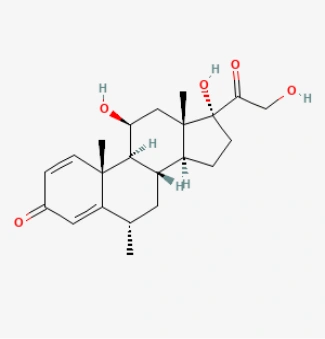
Sodium succinate: disodium;butanedioate

Intake routine/cycle
Daily dose
Take Methyl prednisolone sodium succinate exactly as your doctor recommends. The dose may change based on your condition and how well you respond. Do not take more than prescribed without consulting your doctor.
Missed Dose
If you forget to take your medicine, take the medication as soon as you remember. If it’s nearly time for your next dose, skip the missed one and continue with your regular schedule. Always consult the doctor before making any changes to your dosage.
Overdose
It is not recommended to take more than 500 mg of methyl prednisolone per day, as higher doses may cause overdosing effects like extreme nausea, vomiting, stomach pain, headache, dizziness, unusual tiredness, loss of appetite, dark urine, or yellowing of the skin/eyes. Consult a doctor immediately if you experience any of these symptoms.
FAQ’s
What are the uses of methyl prednisolone tablets?
Methyl prednisolone tablets are used to reduce inflammation, control severe allergies, treat autoimmune diseases, manage asthma or other lung problems, treat inflammatory bowel diseases, relieve joint or muscle inflammation, and prevent organ rejection after transplantation.
What are the side effects of methyl prednisolone tablets?
Common side effects include increased appetite, weight gain, mood changes, trouble sleeping, stomach upset, fluid retention, and acne. Less common effects can include weakness, dizziness, headache, or muscle/joint pain. Serious side effects that need immediate medical attention include high blood pressure, vision changes, severe infections, unusual bleeding or bruising, and severe mood changes.
How does methyl prednisolone work?
Methyl prednisolone is a steroid medicine that works by reducing inflammation and calming the immune system. It stops the body from overreacting in conditions like allergies, autoimmune diseases, or inflammation, which helps reduce swelling, redness, pain, and other symptoms.
Who should not take methyl prednisolone and why?
You should not take methyl prednisolone if you are allergic to steroids, as it may cause rash, swelling, or serious allergic reactions. It should also be avoided if you have active infections, because it suppresses the immune system and can make infections worse. People with stomach or intestinal ulcers or bleeding should be careful, as steroids can increase the risk of complications. Those with uncontrolled diabetes or high blood pressure should use it only under a doctor’s supervision, since it can worsen these conditions. Pregnant or breastfeeding women should take methyl prednisolone only if prescribed by a doctor, as it may affect the baby.
Reference
- Methyl prednisolone dosage guide with precautions [internet]. Drugs.Com. Available from
- Ocejo A, correa R. Methylprednisolone [internet]. Pubmed. Treasure island (FL): statpearls publishing; 2024. Available from
- Mayo clinic. Methylprednisolone (oral route) description and brand names – mayo clinic [internet]. 2025. Available from
- Pubchem. Methylprednisolone [internet]. @Pubchem. Pubchem; 2020. Available from
- Kiningham KK. Methylprednisolone. Elsevier ebooks [internet]. 2007 jan 1 [cited 2025 sep 23];1–6. Available from
- Methylprednisolone (injection route) description and brand names – mayo clinic [internet]. Mayoclinic.Org. 2019. Available from
- SOLU-MEDROL methylprednisolone sodium succinate for injection, USP [internet]. Available from
Authors


Pranathi is a final year Pharm D student at Chalapathi Institute of Pharmaceutical Sciences. She loves learning and applying her knowledge in pharmacy and has a passion for writing, which allows her to express ideas clearly and creatively. She enjoys combining her technical skills with her love for writing and communication to make a meaningful impact. Currently she is working on a research paper about “Consanguineous marriages and its impact on children’s health” which will be published by the end of 2025.