Category- Allopathy
About BrandName
BrandName is a topical moisturizer used to relieve dry, rough, and flaky skin. It helps hydrate the skin, soften thickened areas, remove excess dead skin cells, and reduce moisture loss from the skin.
Urea helps hydrate and soften the skin while reducing the buildup of dead skin cells. Lactic acid gently exfoliates the outer layer of the skin. Propylene glycol helps attract and retain moisture, while light liquid paraffin forms a protective layer that helps prevent moisture loss.
The cream may cause mild and temporary burning, stinging, itching, redness, or irritation after application, especially on sensitive or damaged skin.
Medicine Highlights
| Uses | 1. To relieve dry and rough skin 2. To improve skin hydration and smoothness 3. To help remove the buildup of dead skin cells |
| Common Side Effects | 1. Mild burning or stinging 2. Temporary itching 3. Mild redness 4. Skin irritation 5. Tingling or skin rash |
| Additional Information | 1. This cream is for external use only. 2. Apply a thin layer to the affected area as directed by your doctor. 3. Avoid applying it to open wounds, infected skin, blistered skin, or severely damaged areas. 4. Avoid contact with the eyes, mouth, nose, and other sensitive areas. 5. Wash your hands after applying the cream unless your hands are the treated area. |
| Storage | 1. The medicine should be stored at room temperature. 2. Keep away from sunlight and moisture. 3. Keep away from the reach of children. |
| How to Take This Medicine | Apply this cream on the skin. |
BrandName Uses
BrandName is primarily used to hydrate and soften dry, rough, and thickened skin.
BrandName side effects
More Common
- Mild burning or stinging
- Itching
- Redness
- Irritation
- Tingling at the application site
Less Common
- Skin rash
- Persistent or severe irritation
- Swelling
- Signs of an allergic reaction
How BrandName works
Urea helps draw moisture into the skin and softens thickened skin while helping reduce the buildup of dead skin cells. Lactic acid gently exfoliates the outer layer of the skin and helps improve its texture. Propylene glycol helps attract and retain moisture, while light liquid paraffin forms a protective layer that helps prevent moisture loss.
Together, these ingredients help hydrate, soften, smooth, and improve the texture of dry and rough skin.
Safety Measures and Warning
Allergy or Hypersensitivity
If you are allergic to urea, lactic acid, propylene glycol, liquid paraffin, or any other ingredient in the cream, tell your doctor before using it.
Open Wounds or Damaged Skin
Do not apply this cream to deep wounds, open wounds, infected skin, blistered skin, or severely damaged areas, as it may cause increased irritation.
Eyes and sensitive areas
Avoid contact with the eyes, mouth, nose, and other sensitive areas. If the cream accidentally gets into your eyes, rinse thoroughly with water.
Large areas
Do not apply the cream over large areas of damaged skin unless your doctor has advised you to do so.
Other skin products
If you are using other creams, ointments, or exfoliating products on the same area, tell your doctor or pharmacist, as using several products together may increase skin irritation.
BrandName Interaction with Food Product
This topical cream does not have any significant food interactions.
BrandName Interaction with Other Medicines
Avoid taking BrandName the following medicines, as it may increase or decrease the desired effect, or in worse cases, it could be fatal:
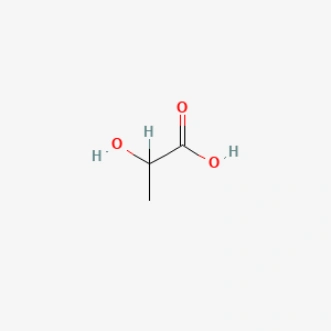
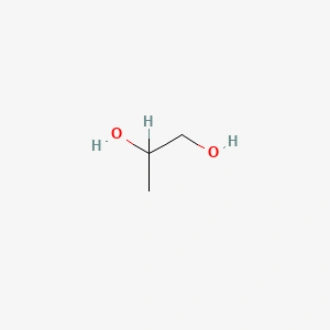
BrandName Chemical Structure
IUPAC (International Union of Pure and Applied Chemistry)/ Chemical name
Lactic acid: 2-hydroxypropanoic acid
Propylene glycol: propane-1,2-diol
Intake routine/cycle
Daily dose
Take BrandName exactly as your doctor recommends. The dose may change based on your condition and how well you respond. Do not take more than prescribed without consulting your doctor.
Missed Dose
If you forget to take your medicine, take the medication soon as you remember. If it’s nearly time for your next dose, skip the missed one and continue with your regular schedule. Always consult the doctor before making any changes to your dosage.
Overdose
Using too much of the cream may increase burning, irritation, or other local side effects. If you accidentally swallow a large amount or develop severe symptoms after excessive use, seek medical attention promptly.
Storage
- Store the medicine at room temperature.
- Keep away from sunlight and moisture.
- Keep out of reach of children
Directions for use
- Wash your hands before applying the cream.
- Apply a thin layer of cream to the affected skin as directed by your doctor.
- Gently spread the cream until it is absorbed.
- Use it regularly for the recommended duration to maintain hydration and improve skin texture.
- Wash your hands after application unless your hands are the affected area.
- Do not apply the cream to open wounds or infected skin.
FAQ’s
How often should I apply cream with lactic acid and urea?
A cream containing urea and lactic acid is usually applied once or twice daily, depending on the product instructions and your skin condition. Apply a thin, even layer to clean, dry skin. Follow your doctor’s or product label’s directions if they differ.
Is it safe to use a cream BrandName daily?
Yes, such creams can generally be used daily to manage dry, rough, or cracked skin when used as directed. However, they may cause mild stinging, redness, or irritation in some people. Stop using the cream and speak to a doctor if irritation is severe or persistent.
Are creams with propylene glycol safe for sensitive skin?
Propylene glycol is commonly used in creams to help keep the skin moisturized and improve the spread of the product. However, some people with sensitive skin may experience irritation, redness, or itching. If your skin is sensitive, try the product on a small area first and stop using it if irritation occurs.
How does a cream with urea, lactic acid, propylene glycol, and light liquid paraffin work for skin hydration?
These ingredients help moisturise the skin in different ways. Urea and propylene glycol help attract and retain moisture, while lactic acid helps improve the skin’s ability to hold moisture and soften rough skin. Light liquid paraffin forms a protective layer that reduces moisture loss, helping keep the skin hydrated for longer.
How does light liquid paraffin cream moisturize?
Light liquid paraffin forms a thin protective layer over the skin that reduces water loss from the skin’s surface. This helps keep moisture locked in and makes dry, rough skin feel softer and smoother.
What are the benefits of urea and lactic acid for extremely dry skin?
Urea helps attract and retain moisture while softening rough, thickened skin. Lactic acid also helps hydrate the skin and gently loosen dead skin cells. Together, they can help improve dryness, rough texture, scaling, and cracked skin.
Where can I buy affordable creams with BrandName online in India?
You can order these creams online from SayaCare and get them delivered to your doorstep across India. SayaCare offers quality-assured medicines and healthcare products from reliable brands at affordable prices.
Reference
- PubChem. Propylene glycol [Internet]. Nih.gov. PubChem; 2019 [cited 2026 Sept 11]. Available from
- PubChem. Urea [Internet]. Nih.gov. PubChem; 2019 [cited 2026 Sept 11]. Available from
- PubChem. Lactic acid [Internet]. pubchem.ncbi.nlm.nih.gov. 2022 [cited 2026 Sept 11]. Available from
Authors


Pranathi is a final year Pharm D student at Chalapathi Institute of Pharmaceutical Sciences. She loves learning and applying her knowledge in pharmacy and has a passion for writing, which allows her to express ideas clearly and creatively. She enjoys combining her technical skills with her love for writing and communication to make a meaningful impact. Currently she is working on a research paper about “Consanguineous marriages and its impact on children’s health” which will be published by the end of 2025.