Category- Allopathy
About Paracetamol 1000 mg
Paracetamol 1000 mg is an analgesic (pain reliever) and antipyretic (fever reducer) commonly used to relieve mild to moderate pain and reduce fever. It works by blocking cyclooxygenase (COX) enzymes in the brain, helping reduce pain signals and lower body temperature.
This higher-strength formulation is generally recommended for adults and should be used only according to the prescribed dosage. Taking more than the recommended amount can cause serious liver damage. People with liver disease or those who regularly consume alcohol should use this medicine only under medical supervision.
Paracetamol is generally well tolerated, but some people may experience nausea, vomiting, or stomach pain. Certain medicines such as warfarin, phenytoin, fosphenytoin, zidovudine, and acenocoumarol may interact with paracetamol. Store the medicine at room temperature, protected from sunlight and moisture. If you miss a dose, take it as soon as you remember unless it is almost time for your next scheduled dose. Never exceed 4 grams (4000 mg) of paracetamol in 24 hours from all sources.
Medicine Highlights
| Uses | 1. To treat fever 2. To relieve mild to moderate pain |
| Common Side Effects | 1. Nausea 2. Vomiting 3. Stomach pain |
| Additional Information | 1. Avoid consuming alcohol while taking paracetamol. 2. Do not exceed the recommended daily dose. |
| Storage | 1. The medicine should be stored at room temperature. 2. Keep away from sunlight and moisture. 3. Keep away from the reach of children |
| How to Take This Medicine | Take this medication orally with a sip of water. |
Paracetamol 1000 mg Uses
Paracetamol 1000 mg is an oral medicine. It is used for following indications:
- To treat fever
- To relieve mild to moderate pain, including headache, toothache, muscle pain, back pain, and joint pain
Paracetamol 1000 mg side effects
More Common
- Nausea
- Vomiting
- Stomach pain
Less Common
- Skin rash or itching
- Allergic reactions (swelling of the face, lips, tongue, or throat, difficulty breathing)
- Yellowing of the skin or eyes (sign of liver damage)
- Dark urine
- Unusual tiredness or loss of appetite
How Paracetamol 1000 mg work
Paracetamol 1000 mg acts as a pain reliver (analgesic) and fever reducer (antipyretic) by inhibiting the cyclooxygenase (COX) enzyme mainly in the central nervous system. This reduces the production of prostaglandins, which are chemicals responsible for pain and fever, thereby relieving pain and lowering body temperature. It has very little anti-inflammatory activity.
Safety Measures and Warning
Allergy/Hypersentivity
Do not take Paracetamol 1000 mg if you are allergic to paracetamol or any of its ingredients. Seek immediate medical attention if you develop a rash, itching, swelling of the face, lips, tongue, or throat, or difficulty breathing.
Liver Disease
Use paracetamol with caution if you have liver disease or impaired liver function, as it may increase the risk of liver toxicity. Your doctor may adjust your dose if needed.
Kidney Disease
If you have severe kidney disease, consult your doctor before taking paracetamol, as dose adjustments or longer dosing intervals may be required.
Pregnancy
Paracetamol is generally considered safe during pregnancy when used at the lowest effective dose for the shortest possible duration. However, take it only after consulting your doctor.
Breastfeeding
Paracetamol passes into breast milk in very small amounts and is generally considered safe during breastfeeding when taken at the recommended dose. Consult your doctor before use.
Paracetamol 1000 mg Interaction with Food Product
There are no significant food interactions with paracetamol. It can be taken before or after food. If stomach discomfort occurs, taking it after food may help reduce irritation.
Paracetamol 1000 mg Interaction with Other Medicines
Avoid taking Paracetamol 1000 mg with the following medicines, as it may increase or decrease the desired effect, or in worse cases, it could be fatal:
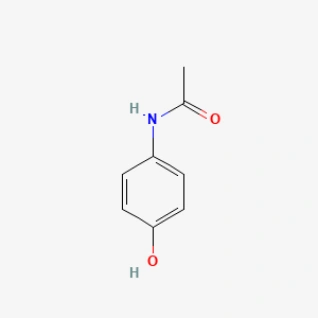
Paracetamol 1000 mg Chemical Structure
IUPAC (International Union of Pure and Applied Chemistry)/ Chemical name
Paracetamol: N-(4-hydroxyphenyl) acetamide
Intake routine/cycle
Daily dose
Take Paracetamol 1000 mg exactly as your doctor recommends. The dose may change based on your condition and how well you respond. Do not take more than prescribed without consulting your doctor.
Missed Dose
If you forget to take your medicine, take the medication as soon as you remember. If it’s nearly time for your next dose, skip the missed one and continue with your regular schedule. Always consult the doctor before making any changes to your dosage.
Overdose
It is not recommended to take more than 4 grams (4000 mg) of paracetamol in 24 hours. Exceeding this limit may lead to paracetamol toxicity, with symptoms such as nausea, vomiting, abdominal pain, hypotension, liver damage, and, in severe cases, kidney failure. Seek immediate medical attention if an overdose is suspected.
Storage
- Store the medicine at room temperature.
- Keep away from sunlight and moisture.
- Keep out of reach of children
Directions for use
- Take Paracetamol 1000 mg exactly as prescribed by your doctor, at the same time each day.
- Do not stop taking Paracetamol 1000 mg without your doctor’s approval, even if you feel better.
- If you forget to take Paracetamol 1000 mg, take it as soon as you remember. If it’s almost time for your next dose, skip the missed dose.
FAQ’s
Can paracetamol 1000 mg make you sleepy?
Yes, paracetamol 1000 mg is made up of acetaminophen, which is responsible for causing drowsiness, a common side effect.
Can paracetamol 1000 mg cure colds?
No, paracetamol 1000 mg is used to treat pain and fever.
Can paracetamol 1000 mg delay periods?
No, there is no side effect of paracetamol 1000 mg that affects the pattern of periods. A delay in periods can occur due to many reasons.
How much paracetamol 1000 mg can I take when pregnant?
You can take 500 mg of paracetamol up to four times a day. Paracetamol does not cross the placenta and is not known to cause harm to your fetus.
Can paracetamol 1000 mg be used for headaches?
Yes, paracetamol 1000 mg is used to treat headaches.
Reference
- Drugs.com. Paracetamol [Internet]. 2024 [cited 2024 Nov 28]. Available from
- Mayo Clinic. Acetaminophen (Oral route, Rectal route) [Internet]. 2024 [cited 2024 Nov 28]. Available from
- National Center for Biotechnology Information. Acetaminophen [Internet]. StatPearls [updated 2024 Nov 28; cited 2024 Nov 28]. Available from
- NHS. Paracetamol for Adults [Internet]. NHS. NHS; 2019. Available from
- Ayoub SS. Paracetamol (acetaminophen): A familiar drug with an unexplained mechanism of action. Temperature [Internet]. 2021 Mar 16;8(4):351–71. Available from
- PubChem. Acetaminophen [Internet]. Pubchem. PubChem; 2020. Available from
Authors


Pranathi is a final year Pharm D student at Chalapathi Institute of Pharmaceutical Sciences. She loves learning and applying her knowledge in pharmacy and has a passion for writing, which allows her to express ideas clearly and creatively. She enjoys combining her technical skills with her love for writing and communication to make a meaningful impact. Currently she is working on a research paper about “Consanguineous marriages and its impact on children’s health” which will be published by the end of 2025.